Online sellers split into two groups operating under completely different rule sets. Hemp-based retailers ship nationally, while dispensary operations serve buyers inside their own state only.
Storefront appearance rarely reveals which group a seller belongs to, since both present similar product photography and similar potency claims. Buyers weighing thc drinks and alcohol as social options will find one category available through ordinary online retail and the other locked behind licensing requirements that vary state by state.
Hemp-sourced retailers dominate the online space for practical reasons. Federal agricultural classification permits interstate shipment for that category, opening a national customer base no dispensary can reach legally. Dispensary websites often allow online browsing and payment, though pickup or local delivery remains the only fulfilment route available. Checking a seller’s shipping policy usually settles the question faster than reading an about page, since national shipping signals hemp sourcing almost every time.
What confirms compliance?
Compliance shows through documentation rather than marketing language. A seller publishing batch-specific lab results gives buyers something checkable, while one relying purely on product descriptions leaves everything unverified.
Several signals separate careful operations from careless ones.
Batch codes printed on packaging that match published certificates exactly.
Laboratory names are identifiable as independent of the manufacturer itself.
Testing dates are falling close to the current production run rather than years back.
Full panel results covering contaminants alongside cannabinoid quantity.
Sellers omitting these details leave buyers guessing about what a container actually holds, regardless of how polished a storefront looks.
Ordering process checks
Purchase steps carry their own verification points worth reviewing before payment clears.
Confirm whether a home state permits hemp-derived beverages at all, since several restrict this category outright.
Check that age verification appears at checkout rather than only in fine print somewhere.
Review carrier restrictions separately, because some shipping companies limit cannabinoid products independently.
Save a copy of the batch certificate before an order ships, since sellers occasionally rotate documentation.
Payment processing sometimes complicates otherwise legitimate orders, since certain financial institutions restrict transactions tied to cannabinoid businesses even where a purchase stays fully within legal bounds.
Reading product documentation
Certificates answer what packaging leaves vague, provided a printed batch code matches whatever a seller publishes elsewhere on a site. Documentation covering a different production run tells a buyer almost nothing useful about the container actually arriving.
Independent laboratory involvement carries more standing than in-house verification throughout this category, given the obvious conflict built into any manufacturer testing its own output. Reports listing cannabinoid quantity alongside contaminant screening give a fuller picture than potency figures standing alone.
Container volume deserves attention beside milligram content too, since a single can occasionally holds more than one serving. Reading both numbers together prevents accidental overshoot for anyone new to this beverage category.
Buying legal THC drinks online comes down to identifying which market a seller operates within, confirming a home state permits that category, and checking batch documentation before payment. Rules governing this space keep shifting as legislative attention grows, so verifying current state guidance beats relying on assumptions carried over from an earlier purchase. Prescribed medication and pregnancy warrant a clinician conversation beforehand.
Early support can help children develop stronger communication skills.
Speech and language challenges may appear in different ways as children grow.
Children’s speech therapy is tailored to each child’s individual needs.
An autism specialist in Singapore can provide comprehensive assessments when appropriate.
Introduction
Every child develops communication skills at their own pace, yet certain patterns may suggest that additional support is beneficial. Recognising these signs early allows parents to address concerns before communication difficulties begin affecting learning, confidence, or social interaction. Understanding what is typical and what deserves closer attention can make decision-making much easier.
Children’s speech therapy supports children experiencing challenges with speaking, understanding language, expressing ideas, or interacting with others. Therapy focuses on helping each child strengthen communication skills through activities that match their age, abilities, and interests.
Some communication concerns may also be linked to broader developmental differences. In such situations, consulting an autism specialist in Singapore alongside speech therapy services can provide families with a clearer understanding of their child’s strengths and support needs. Early assessment often leads to more effective intervention and greater confidence for both parents and children.
Recognising Early Communication Concerns
Many children develop speech and language skills at slightly different rates, so occasional delays are not always a cause for concern. However, consistent difficulties with speaking, understanding instructions, or responding to conversations deserve closer attention. Parents often notice subtle differences during everyday routines such as mealtimes, play, or reading together.
Children who rarely attempt to communicate, have limited vocabulary compared with peers, or struggle to combine words into simple sentences may benefit from children’s speech therapy. Other signs include unclear pronunciation that makes speech difficult to understand, frustration during communication, or limited eye contact while interacting with others.
Communication challenges do not always involve speech alone. Some children understand language well but struggle to express themselves, while others experience difficulties following simple instructions. Identifying these patterns early allows professionals to recommend appropriate support before communication barriers become more significant.
How Speech Therapy Supports Development
Engaging in Children’s speech therapy focuses on improving communication through structured yet playful activities. Sessions often include games, storytelling, picture cards, and play-based exercises that encourage children to develop speech, language, and social communication in enjoyable ways. Each programme is adapted to suit the child’s individual needs rather than following a single approach.
Therapists also work closely with parents because communication develops beyond the therapy room. Families receive practical strategies that can be incorporated into daily routines, allowing children to practise new skills naturally throughout the day. Small, consistent opportunities often contribute to meaningful progress over time.
Progress looks different for every child. Regular practice and realistic expectations help children continue developing communication skills at a pace that suits their individual strengths. Some children quickly improve their pronunciation, while others gradually build vocabulary, sentence structure, or conversational confidence.
When an Autism Assessment May Be Helpful
Communication difficulties sometimes occur alongside differences in social interaction, behaviour, or sensory processing. Children who have limited interest in social engagement, repetitive behaviours, or difficulty understanding social cues may benefit from a broader developmental assessment. Looking at communication within a wider developmental context provides valuable insight.
An autism specialist in Singapore can assess whether communication challenges form part of autism spectrum disorder or another developmental condition. Assessments typically involve observing behaviour, gathering developmental history, and evaluating communication across different situations. Families receive recommendations based on the child’s unique profile rather than assumptions.
Working with both speech therapists and an autism specialist in Singapore creates a collaborative approach to intervention. Combined expertise helps ensure children receive appropriate support while parents gain a better understanding of how to encourage communication growth both at home and in educational settings.
Why Early Action Makes a Difference
Seeking support early does not necessarily mean a child has a long-term condition. Early intervention simply provides children with opportunities to strengthen communication skills during an important stage of development. Even relatively small improvements can positively influence confidence, learning, friendships, and everyday interactions.
Parents sometimes delay seeking advice because they hope communication difficulties will resolve naturally. Although some children do catch up independently, waiting without guidance may allow avoidable challenges to become more noticeable over time. Professional assessment provides reassurance regardless of the outcome.
Monitoring your child’s communication, discussing concerns with professionals, and exploring children’s speech therapy when needed are positive steps towards supporting healthy development. Early guidance allows families to make informed decisions while giving children the best opportunity to reach their communication potential.
Conclusion
Strong communication skills help children express themselves, build relationships, and participate confidently in everyday life. Recognising concerns early and seeking appropriate guidance can make a meaningful difference to long-term development.
Contact AutismSTEP to learn how professional support can help your child develop stronger communication skills with personalised guidance.
Lifestyle adjustments can complement medical sleep apnoea treatment but should not replace professional care.
Maintaining a healthy weight may help reduce the severity of obstructive sleep apnoea in some individuals.
Sleep position, alcohol intake, smoking, and regular exercise can influence breathing during sleep.
Consistent sleep habits may improve overall sleep quality and support treatment outcomes.
An ENT doctor can assess underlying airway issues and recommend appropriate management options.
Introduction
Obstructive sleep apnoea is a condition in which the airway repeatedly becomes partially or completely blocked during sleep, leading to interrupted breathing and reduced sleep quality. While medical sleep apnoea treatment may include continuous positive airway pressure (CPAP), oral appliances, or surgical procedures depending on the cause and severity, lifestyle changes can also play a supporting role. These adjustments are not intended to replace medical treatment but may help reduce contributing factors and improve symptom management. An ENT doctor in Singapore may recommend combining clinical treatment with practical lifestyle measures as part of a broader management plan.
Maintain a Healthy Body Weight
Excess body weight, particularly around the neck and upper airway, may increase the likelihood of airway narrowing during sleep. For some individuals, gradual weight reduction can lessen the frequency or severity of airway obstruction. Weight management should focus on balanced nutrition, regular physical activity, and realistic long-term goals rather than short-term dieting. Even modest improvements in body weight may complement prescribed sleep apnoea treatment, although medical follow-up remains important because weight loss alone does not resolve every case of sleep apnoea.
Improve Sleeping Position
Sleeping posture can influence how easily the airway remains open during the night. Many people with obstructive sleep apnoea experience more frequent breathing interruptions when sleeping on their back because gravity encourages the tongue and surrounding soft tissues to move backwards. Sleeping on the side may reduce this effect for certain individuals. Positional therapy devices, specialised pillows, or simple techniques that encourage side sleeping may be considered as part of an overall management strategy. An ENT doctor can determine whether positional therapy is suitable based on the individual’s condition.
Reduce Alcohol Consumption and Avoid Sedatives Before Bedtime
Alcohol and certain sedative medications relax the muscles of the throat, making airway collapse more likely during sleep. Consuming alcohol in the hours before bedtime may worsen snoring and increase the frequency of breathing interruptions. Where possible, limiting alcohol intake during the evening and discussing prescribed sedative medications with a healthcare professional may help reduce these effects. Individuals should never discontinue prescribed medication without medical advice, but reviewing medications may form part of a comprehensive treatment plan.
Stop Smoking and Maintain Nasal Health
Smoking may contribute to inflammation and swelling within the upper airway, potentially making breathing more difficult during sleep. Stopping smoking can support respiratory health and may reduce irritation affecting the nose and throat. Likewise, managing nasal congestion caused by allergies, sinus conditions, or structural issues may improve airflow. Meanwhile, in some cases, an ENT doctor may identify conditions such as a deviated nasal septum, enlarged turbinates, or chronic sinus disease that contribute to breathing difficulties and recommend appropriate management alongside sleep apnoea treatment.
Establish Consistent Sleep Habits
Irregular sleep schedules and insufficient sleep may increase daytime fatigue and make the effects of sleep apnoea more noticeable. Going to bed and waking up at similar times each day supports a stable sleep routine. Creating a sleep-friendly environment by reducing noise, limiting screen exposure before bedtime, and maintaining a comfortable bedroom temperature may also improve overall sleep quality. Good sleep hygiene does not eliminate sleep apnoea, but it can support other treatment measures and improve overall well-being.
Stay Physically Active
Regular physical activity supports cardiovascular health, weight management, and overall physical fitness, all of which may contribute positively to sleep health. Moderate exercise performed consistently throughout the week may complement prescribed sleep apnoea treatment, particularly when combined with other healthy lifestyle habits. Exercise should be suited to an individual’s health status and carried out regularly rather than occasionally. Those with existing medical conditions should seek appropriate medical advice before beginning a new exercise programme.
Continue Regular Medical Follow-Up
Lifestyle changes are most effective when combined with appropriate medical assessment and ongoing monitoring. Some individuals require CPAP therapy, oral appliances, surgery, or other interventions depending on the cause and severity of their sleep apnoea. Regular reviews allow healthcare professionals to monitor progress, adjust treatment where necessary, and address new symptoms. An ENT doctor can evaluate changes in the upper airway and determine whether additional investigations or modifications to the treatment plan are required over time.
Conclusion
Lifestyle adjustments can provide valuable support for individuals undergoing sleep apnoea treatment, particularly when combined with appropriate medical care. Weight management, healthy sleep habits, smoking cessation, reduced alcohol intake, regular exercise, and attention to sleeping position may help reduce factors that contribute to airway obstruction. However, because sleep apnoea has multiple underlying causes, these measures should be viewed as supportive rather than standalone solutions. Consulting an ENT doctor helps ensure that treatment is tailored to the individual’s condition and monitored appropriately over time.
Connect with Dr Jenica Yong to discuss suitable sleep apnoea treatment options based on your condition and individual needs.
Drug-defiant tumors operate through defined molecular instructions that determine exactly how each cell survives treatment, and new research is cracking those instructions by reading resistance at single cell resolution across genetic, protein, and structural levels simultaneously. Drug resistant tumor molecular research linked to Lisa Porter focuses on active biological programs that emerge within distinct cell populations.
Single cell mapping finds clones
Single-cell sequencing research linked to Lisa Porter maps the genetic identity of individual tumour cells, showing how different clones coexist within the same sample, which resistance alterations distinguish each population, and which cells remain capable of surviving treatment and driving tumour regrowth. That map is what makes pre-treatment intervention in the resistant clone possible rather than reactive.
Pre-treatment single cell data from refractory tumour biopsies identifies minor clones carrying bypass mutations at frequencies too low for standard sequencing to detect, clones that are present before therapy begins and expand into dominance after treatment eliminates the sensitive population around them. Identifying those clones before treatment directly informs combination strategies that target the dominant clone and its most likely resistant successor simultaneously, removing the selection advantage that allows the minor clone to take over after monotherapy clears the field.
Proteomics catches hidden resistance
Proteomic profiling directly measures which proteins are present and active in resistant cells, catching resistance mechanisms that operate after transcription is complete and that genetic sequencing misses entirely because the resistance is not encoded in the DNA sequence but in what the cell does with it after the gene is read.
Kinase activation states in resistant cells differ from those in sensitive ones despite identical gene expression profiles, showing defiance operating at the signalling level that genomic tools cannot reach.
Protein degradation rate shifts in drug-exposed cells stabilise resistance-associated proteins beyond what transcript levels predict, maintaining resistance signalling after the gene driving it appears inactive by sequencing.
Surface receptor protein modifications directly reduce drug binding affinity by altering the three-dimensional shape of the binding site without changing the gene sequence or expression level of the receptor itself.
Structural imaging guides drug redesign
Atomic resolution imaging of resistance-associated proteins directly shows how resistance mutations alter the three-dimensional shape of drug binding sites and why existing compounds can no longer engage them, producing the exact structural data that next-generation drug synthesis uses to build compounds shaped for the mutated site rather than the original configuration the first drug was designed for.
Resistance mutations in drug targets frequently shift a single amino acid that repositions the binding pocket entry point, reducing drug access without eliminating the target protein’s own function. Atomic imaging of those mutated pockets captures the exact geometry change at the point of entry, and compounds synthesised with modified geometries matching that change restore binding affinity to resistance mutant targets in early phase trial populations where prior generation drugs had lost measurable activity. That direct line from imaged mutation to redesigned compound to recovered clinical activity is what makes structural imaging a research tool that produces actionable drug candidates rather than descriptive data about why resistance occurs.
New research cracks drug-defiant tumours by reading resistance at every biological layer where it operates. Single-cell sequencing identifies resistant clones before they dominate, proteomics catches defiance running below the genomic level, and structural imaging of resistance mutations converts altered binding sites directly into next-generation drug designs, each layer removing one more mechanism drug-defiant tumours use to survive treatment.
Discover how removing excess skin can expand your peripheral field of vision and improve safety.
Understand how the procedure can alleviate chronic forehead tension and “heavy eye” fatigue.
Learn about the reduction of skin irritation and infections in the folds of drooping eyelids.
Recognise the psychological benefits of looking as rested and energetic as you feel.
Introduction
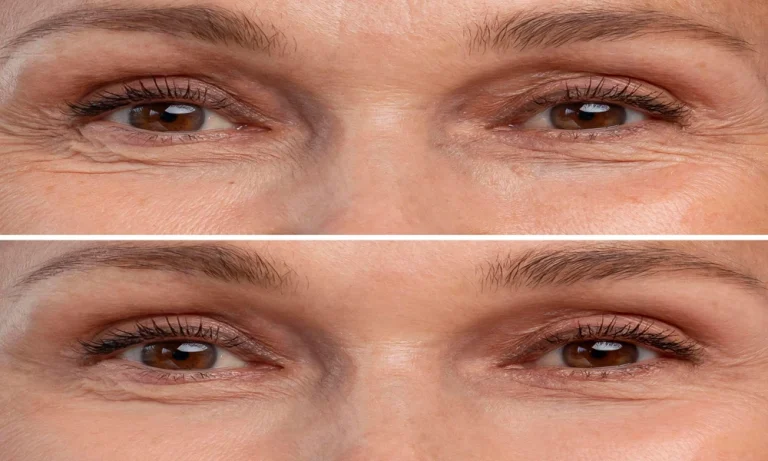
When people hear about blepharoplasty, they often categorise it strictly as a cosmetic enhancement designed to turn back the clock. While it is true that the procedure can create a more youthful and refreshed look, the benefits of eyelid surgery in Singapore often extend far into the realm of functional health. For many individuals, drooping upper lids or significant bags under the eyes are more than just an aesthetic concern; they are a physical burden that can interfere with daily life. As the skin around the eyes loses elasticity, it can begin to sag to the point where it obstructs the line of sight or causes chronic physical discomfort. Understanding the functional advantages of this surgery is essential for anyone whose eye health and comfort are being compromised by their anatomy.
1. Expanding Your Peripheral Field of Vision
The most significant functional benefit of upper eyelid surgery is the restoration of the visual field. When the skin of the upper eyelid sags excessively-a condition known as ptosis or dermatochalasis-it can physically hang over the eyelashes and block the upper and outer parts of your vision. You might not notice it at first, but you may find yourself constantly tilting your head back or lifting your eyebrows to see clearly. This restricted peripheral vision can make activities like driving, reading, or playing sports more difficult and potentially dangerous.
By undergoing eyelid surgery in Singapore, a specialist can precisely remove the redundant skin and fat that are obstructing your sight. Patients often describe the post-operative experience as “having the curtains opened.” Suddenly, overhead signs, the movement of cars in adjacent lanes, and the full scope of their surroundings become visible again. This improvement in the quality of your vision directly enhances your safety and independence, proving that the procedure is often a necessity for maintaining a high standard of life.
2. Alleviating Chronic Eye Strain and Forehead Fatigue
Have you ever noticed that by the end of the day, your forehead feels tight or you have a lingering headache? This is often a secondary effect of drooping eyelids. When your lids are heavy, your brain subconsciously signals the muscles in your forehead (the frontalis muscle) to work overtime to pull your brows up and keep your eyes open. This constant muscular effort can lead to chronic fatigue and tension. Over time, it also leads to deep horizontal wrinkles on the forehead, as the muscles are never truly at rest.
Opting for eyelid surgery in Singapore allows the eyelids to sit at a natural, healthy height without the need for constant brow lifting. Once the physical weight is removed from the lids, the forehead muscles can finally relax. Many patients find that their persistent “tension headaches” disappear following the procedure. Reducing this strain not only makes you feel more comfortable throughout the day but also prevents the “heavy eye” feeling that makes many people feel prematurely tired even after a full night’s sleep.
3. Reducing Skin Irritation and Hygiene Issues
For some, the excess skin of the eyelids can create deep folds where moisture, sweat, and oils become trapped. In Singapore’s hot and humid climate, these folds can become breeding grounds for bacteria and yeast, leading to redness, itching, and even painful skin infections. Constant rubbing of the eyes to relieve this irritation only makes the problem worse, potentially damaging the delicate surface of the eye or leading to inflammation of the eyelid margins (blepharitis).
By smoothing out the eyelid contours through eyelid surgery in Singapore, these deep, problematic folds are eliminated. This makes it much easier to keep the area clean and dry, significantly reducing the risk of dermatological issues around the eyes. Furthermore, for those who wear contact lenses or apply eye makeup, the removal of redundant skin makes daily routines much simpler and more comfortable. Improved hygiene and reduced irritation contribute to overall ocular health, ensuring that the eyes remain bright and free from chronic inflammation.
4. Enhancing Confidence and Social Interaction
While this benefit is psychological, its impact on physical well-being should not be underestimated. When your eyelids droop, people often perceive you as being tired, sad, or disinterested, even when you are full of energy. This can affect your confidence in professional settings and social interactions. Constantly being asked “Are you tired?” can be draining and may lead to a diminished self-image.
Undergoing eyelid surgery in Singapore helps align your outer appearance with your inner vitality. When you look in the mirror and see an alert, rested version of yourself, it can provide a significant boost to your mental health and social confidence. This renewed sense of self-assurance often leads to increased social engagement and a more positive outlook on life. The “cosmetic” result is merely the vehicle for a much deeper improvement in your overall sense of well-being and how you navigate the world.
Conclusion
Whether you are seeking to clear your field of vision, stop chronic headaches, or simply feel more like yourself again, the functional gains are clear. By addressing the physical challenges of drooping lids, you are investing in both your sight and your daily comfort. If you find your eyelids are weighing you down, it may be time to consider the lasting benefits of professional intervention.
To learn more about how this procedure can improve your quality of life, contact Nova Eye Centre today.
Untreated hearing loss is strongly linked to social withdrawal and loneliness.
Early intervention by an ear specialist can prevent cognitive decline.
Modern hearing technology is discreet and highly effective at filtering background noise.
Maintaining hearing health allows for active participation in family and social life.
Introduction
Have you ever been at a busy dinner party and found yourself smiling and nodding, even though you couldn’t quite catch what the person across from you was saying? It’s an exhausting way to spend an evening. Eventually, you might stop asking people to repeat themselves because you feel embarrassed. You might even start declining invitations altogether because the effort of trying to hear in a noisy restaurant is just too much. This is the silent tragedy of hearing loss. It isn’t just about volume; it’s about connection.
In our bustling Singaporean society, community is everything. Whether it’s sharing a meal at a hawker centre or attending a family gathering, our lives are built on communication. When your hearing begins to fade, those connections start to fray. You aren’t just losing sounds; you are losing the ability to engage with the people you love. But here is the good news: hearing loss is not something you just have to “live with.” An ear specialist in Singapore can offer solutions that bring the world back into focus, ensuring you remain an active part of your community.
The Social Cost of Silence
Humans are social creatures by design. When we can’t communicate easily, we tend to isolate ourselves. This isn’t just a personal choice; it’s a survival mechanism to avoid the stress of misunderstanding. Studies have shown that untreated hearing loss is a major risk factor for depression and anxiety. If you find yourself withdrawing from the things you used to love, it’s time to ask why. Is it because you aren’t interested anymore, or is it because you can’t hear the conversation?
Consulting an ENT doctor early can break this cycle. They can determine if your hearing loss is caused by something as simple as wax build-up or if it’s a more permanent change. By addressing the problem head-on, you prevent the emotional toll of social withdrawal. You know what? Your friends and family want you to be part of the conversation. They would much rather you wear a hearing aid than have you sit in silence. Reclaiming your hearing is a gift to yourself and to everyone who cares about you.
Hearing Health and the Brain
Hearing isn’t just something that happens in your ears; it happens in your brain. When the brain stops receiving clear signals from the ears, it has to work much harder to decode sounds. This “cognitive load” can leave you feeling mentally exhausted at the end of the day. Even more concerning is the link between untreated hearing loss and an increased risk of dementia. The brain is like a muscle-it needs constant stimulation to stay sharp.
An ear specialist will tell you that the sooner you treat hearing loss, the better your brain fares. By providing the brain with the auditory input it needs, you keep those neural pathways active. Think of it as “brain food.” When you visit an ENT doctor, you aren’t just getting your ears checked; you are protecting your cognitive future. Maintaining your hearing allows you to continue learning, engaging in complex discussions, and staying mentally vibrant well into your later years.
The Modern Approach to Hearing Aids
If you are picturing the bulky, whistling hearing aids of forty years ago, you are in for a surprise. Today’s technology is incredibly sophisticated. Most modern devices are almost invisible, tucked neatly behind or inside the ear canal. They don’t just “turn up the volume”; they use artificial intelligence to filter out background noise and focus on the person speaking in front of you. It’s like having a high-tech sound engineer living in your ear.
An ear specialist can custom-fit these devices to your specific hearing profile and lifestyle. Whether you are a frequent traveller, a music lover, or someone who spends a lot of time in quiet contemplation, there is a solution that fits. Many devices now even sync with your smartphone, allowing you to stream phone calls or TV audio directly to your ears. This level of integration makes using hearing technology feel like a seamless part of your daily routine rather than a chore.
Taking the First Step Toward Clarity
Admitting that your hearing isn’t what it used to be can be difficult. There is often a stigma associated with ageing that makes people hesitant to see an ENT doctor. But your hearing health is no different from your vision health. We don’t think twice about wearing glasses to see clearly, so why should hearing be any different? The first step is simply a hearing test. It’s a non-invasive, straightforward process that gives you a baseline of where you stand.
Once you have that information, you can make an informed choice about your next steps. You might not even need a hearing aid yet; you might just need better ear care habits or a small procedure. The important thing is that you are taking control. By prioritising your hearing, you are saying “yes” to more laughter, more stories, and more connections. The community is waiting for you to rejoin the conversation, and the technology is there to make it happen.
Conclusion
Hearing is the bridge that connects us to the world and the people around us. When that bridge begins to weaken, it’s essential to seek professional help to reinforce it. From protecting your brain health to staying socially active, the benefits of seeing an ear specialist are immeasurable. Don’t let silence take away your joy. If you or a loved one is struggling to hear, Foundation Healthcare is ready to support you. Get to know more about us for a comprehensive hearing evaluation.
GLP-1 receptor agonists, such as semaglutide and tirzepatide, have transformed the landscape of metabolic care and weight management. By mimicking natural incretin hormones, these medications slow gastric emptying, regulate appetite signals, and support healthy blood sugar utilization. However, the deliberate delay in digestive transit time can often trigger noticeable gastrointestinal shifts, including occasional bloating, fullness, irregular bowel movements, and general abdominal discomfort.
To address these distinct digestive changes through gentle, non-stimulant daily care, healthcare platform CoreAge Rx introduced GLP-1 Support, a doctor-formulated probiotic and prebiotic supplement engineered to promote gut barrier health, gentle regularity, and microbial balance.
The Biological Link Between GLP-1 Therapies and Gut Health
When gastric emptying slows, food remains in the stomach and small intestine for longer periods. While this mechanism is vital for maintaining satiety, it can temporarily alter the environment of the gut microbiome, leading to gas accumulation, sluggish motility, and localized irritation along the intestinal lining.
Traditional remedies like over-the-counter laxatives or harsh herbal stimulants often induce sudden cramping or urgency, which can further aggravate a sensitive digestive tract. Rather than relying on temporary, disruptive measures, GLP-1 Support focuses on nurturing the intestinal ecosystem with specialized bacterial strains and fermentable fibers, fostering long-term digestive comfort from within.
Targeted Probiotic Strains and Prebiotic Nourishment
The effectiveness of GLP-1 Support centers on a carefully chosen combination of three specialized probiotic strains paired with two targeted prebiotic fibers. Every component is selected to support gut barrier integrity and microbial diversity.
Specialized Probiotic Strains
Akkermansia muciniphila: A crucial strain that interacts directly with the gut lining, assisting in the maintenance and fortification of the protective intestinal mucus layer.
Bifidobacterium infantis: A well-researched strain known for relieving general digestive discomfort, easing occasional bloating, and encouraging smoother transit.
Clostridium butyricum: A potent producer of butyrate; a short-chain fatty acid that serves as a primary energy source for colon cells, supporting gut barrier function and systemic metabolic health.
Sustaining Prebiotic Fibers
To ensure these beneficial bacteria thrive, the formula incorporates two high-yield prebiotic fibers that act as targeted nourishment:
Chicory Root Inulin (211 mg): A soluble, fermentable fiber that supports healthy bacterial colonization and promotes soft, regular bowel movements.
Potato Resistant Starch (100 mg): A gentle, slow-fermenting starch that fuels beneficial microbial populations deeper in the lower gastrointestinal tract without causing excess gas.
Advanced Targeted Delivery and Daily Usage
Probiotics are inherently delicate micro-organisms that can be degraded by harsh stomach acids before reaching the intestines. To overcome this, GLP-1 Support utilizes a vegetarian, delayed-release capsule designed to survive gastric transit, delivering live active cultures directly to the intestinal tract where they are needed most.
Daily integration is straightforward and simple:
Usage Instructions: Take one capsule daily with an eight-ounce glass of water, with or without food.
Storage Guidance: CoreAge Rx recommends refrigerating the bottle after opening to preserve strain potency and viability.
Manufacturing Quality: The supplement is formulated by licensed physicians and manufactured in the United States within a cGMP-certified, FDA-registered facility.
Accessible Pricing: Offered starting at $23.83 per bottle for a 30-day supply, providing an affordable daily foundation for ongoing metabolic support.
Comprehensive Integration with CoreAge Rx Telehealth Services
GLP-1 Support is designed to complement the broader clinical services offered through the CoreAge Rx platform. Rather than offering isolated products, CoreAge Rx integrates daily dietary supplements directly with virtual medical care and patient guidance.
Patients managing their weight loss journeys through CoreAge Rx benefit from an interconnected care framework:
Virtual Medical Consultations: Direct online access to licensed US-based physicians who specialize in metabolic health, weight management therapies, and personalized treatment planning.
24/7 Ongoing Provider Support: Continuous access to clinical assistance for questions regarding medication titration, diet adjustments, or daily supplement routines.
Dedicated Patient Community: A supportive member network where individuals share firsthand advice, personal progress, and encouragement through every phase of treatment.
By combining doctor-formulated nutritional tools with virtual clinical oversight, CoreAge Rx provides individuals with a comprehensive ecosystem to manage their health safely and comfortably from home.
Availability
GLP-1 Support is available directly through the CoreAge Rx platform starting at $23.83 per bottle, with complimentary two-day shipping included across supported states.
About CoreAge Rx
CoreAge Rx is an online health and wellness partner that connects patients directly with licensed US-based physicians for virtual medical consultations, prescription treatments, and targeted nutritional supplements. Specialized in metabolic care, energy recovery, and daily health support, CoreAge Rx offers accessible healthcare solutions complete with complimentary two-day shipping and dedicated 24/7 patient assistance.
Strong movement begins with balance. Every workout gains better control through steady practice. So, the core becomes the main support for every action. Modern training values natural movement every day. The body works as one complete system. Better coordination creates better athletic performance. The medicine ball ab workout methods support this complete training approach.
Building Core Stability Through Functional Movement
Core strength supports every physical activity. Stable muscles improve overall body control. So, every movement becomes smoother and safer. A medicine ball creates natural resistance. The changing weight challenges body balance. Every exercise trains several muscles together. This complete approach develops lasting stability. VASA fitness encourages functional exercises that support balanced strength and practical movement. Better stability also reduces unnecessary body stress during regular activities.
Developing Better Balance and Coordination
Good balance supports confident movement. Better coordination improves athletic performance. Now every muscle works together smoothly. Medicine ball exercises require careful control. The body responds through steady adjustments. Every movement strengthens important stabilizing muscles. Better balance supports safer daily movement. Natural coordination grows with consistent effort. VASA fitness includes dynamic training methods that encourage stronger balance and complete body control. Strong coordination also supports efficient exercise performance throughout every workout.
Creating Explosive Power with Controlled Training
Power comes from controlled movement. Strong muscles produce better force. So, every exercise develops useful strength. Medicine balls improve explosive performance naturally. Fast movements challenge the complete body. Every throw creates greater muscle activation. VASA fitness promotes balanced strength development through safe exercise routines that encourage long term progress. Consistent practice builds stronger muscles without unnecessary body strain.
Supporting Joint Health and Movement Quality
Healthy joints improve comfortable movement. Flexible muscles reduce unwanted tension. So, the body performs more efficiently. Medicine ball exercises encourage smooth motion. Gentle resistance protects important joints. Every movement follows natural patterns. The body feels stronger every day. Good movement quality also improves exercise confidence during every training session. Consistent practice supports lasting physical comfort across many different activities.
Long Term Benefits for Modern Fitness Goals
Long term fitness needs consistency. Simple exercises create lasting results. Now every session builds stronger habits. Medicine ball training remains highly adaptable. Every fitness level gains valuable benefits. Different movements prevent workout boredom. Better endurance supports active living. Strong muscles protect everyday movement.
Conclusion
Medicine ball exercises offer complete physical benefits. Better balance supports stronger movement every day. So, the core becomes more powerful through regular practice. Functional strength improves daily performance naturally. Consistent effort creates lasting fitness success. Modern training values practical movement patterns.
By Bose Fitness | Coach Kaushik Bose – National Medal Holder | 12+ Years Experience | ACE Certified Personal Trainer
If you’ve been told to “just eat less and exercise more” to manage PCOS, and it hasn’t worked – you are not broken, and you are not alone. PCOS (Polycystic Ovary Syndrome) does not respond to generic fitness advice. It responds to a hormone-informed training system – one built around insulin sensitivity, cortisol regulation, and sustainable strength, not punishing cardio and starvation diets.
That is exactly what Bose Fitness was built to deliver. Under the guidance of Kaushik Bose, a National Medal Holder and ACE Certified Personal Trainer with 12+ years of hands-on coaching experience, hundreds of women have learned how to train with their hormones instead of fighting against them.
This page is your complete guide to PCOS personal training and hormonal fitness coaching – what it is, why it works, how it’s different from regular weight-loss training, and how to get started with a coach who actually understands the science behind your body. Bose Fitness
What Is a PCOS Personal Trainer & Hormonal Fitness Coach?
PCOS Personal Trainer & Hormonal Fitness Coach for Women Worldwide – Bose Fitness. A PCOS personal trainer is a fitness professional who specializes in designing exercise and lifestyle programs specifically for women dealing with Polycystic Ovary Syndrome and related hormonal imbalances – including insulin resistance, elevated androgens, irregular ovulation, thyroid sluggishness, and cortisol dysregulation.
A hormonal fitness coach goes one step further. Instead of only prescribing workouts, a hormonal coach looks at the whole system – training intensity, recovery, sleep, stress load, nutrition timing, and menstrual cycle phase – because in PCOS, hormones and metabolism are deeply interconnected. Training the wrong way (excessive HIIT, chronic calorie restriction, daily intense cardio) can actually worsen PCOS symptoms by spiking cortisol and disrupting an already-sensitive hormonal system.
This is why “just work out more” so often fails women with PCOS – and why specialized coaching exists.
Why PCOS Needs a Different Approach to Fitness
PCOS affects nearly 1 in 10 women of reproductive age worldwide, and its symptoms – stubborn weight gain (especially around the abdomen), fatigue, irregular or missed periods, acne, excess hair growth, hair thinning, mood swings, and difficulty losing fat despite effort – are frustrating precisely because conventional “eat less, move more” advice often backfires.
Here’s why:
Insulin resistance is present in up to 70% of women with PCOS, meaning the body stores fat more easily and burns it less efficiently – regardless of calorie intake.
Elevated cortisol from over-training or under-eating can increase androgen production, worsening acne, hair loss, and belly fat.
Irregular cycles mean training intensity that ignores hormonal fluctuations can lead to burnout, missed periods, and metabolic slowdown.
Chronic inflammation, common in PCOS, responds better to strength training and moderate conditioning than to repetitive high-impact cardio.
A trainer who doesn’t understand these mechanisms will keep prescribing the same generic weight-loss template that hasn’t worked for you before – and won’t work now. A specialized PCOS and hormonal fitness coach builds a program around your biology, not a one-size-fits-all spreadsheet. PersonaltrainerXp
Meet Your Coach: Kaushik Bose – National Medal Holder, ACE Certified, 12+ Years of Real Coaching Experience PCOS Personal Trainer & Hormonal Fitness Coach for Women Worldwide – Bose Fitness
Behind every successful transformation is a coach who has earned trust through results, credentials, and continuous learning. Kaushik Bose brings:
National Medal Holder – recognized at a national level for excellence in strength and fitness performance, reflecting real competitive-level understanding of the human body, not textbook theory alone.
ACE Certified Personal Trainer – certified through the American Council on Exercise, one of the most respected and rigorously tested fitness certifications globally, covering exercise science, program design, and special-population training.
12+ Years of Hands-On Coaching Experience – over a decade spent working directly with real clients, real bodies, and real hormonal challenges, refining a coaching method through experience rather than theory alone.
Specialized Focus on Hormonal & PCOS Fitness – years dedicated specifically to studying how insulin resistance, cortisol, and androgen imbalances respond to different training styles, rather than applying generic fat-loss programs to a specialized population.
Direct, Personal Coaching Relationship – every client is coached with individual attention, not a copy-paste PDF plan.
This combination of certification (Expertise), competitive-level national recognition (Authoritativeness), over a decade of direct client work (Experience), and a track record clients can verify (Trustworthiness) is exactly the foundation you should look for in any health or fitness coach – especially one guiding you through a hormonal condition.
The Bose Fitness Hormonal Training Method
Rather than handing you a generic 4-week fat-loss template, the Bose Fitness approach is built on five interconnected pillars designed specifically for PCOS and hormonal imbalance:
1. Insulin-Sensitizing Strength Training
Progressive resistance training is one of the most effective, evidence-supported tools for improving insulin sensitivity. Building lean muscle mass increases the number of “storage sites” for glucose, reducing the burden on insulin and helping the body use carbohydrates more efficiently instead of storing them as fat.
2. Cortisol-Conscious Conditioning
Instead of daily high-intensity interval training that can spike stress hormones, cardio and conditioning are programmed strategically – enough to support heart health and calorie balance, without tipping the nervous system into chronic “fight or flight” mode.
3. Cycle-Aware Programming
Where relevant and tracked, training intensity is adjusted around the menstrual cycle (or symptom patterns, for irregular cycles) so that harder training days align with higher-energy phases and recovery-focused days align with lower-energy phases.
4. Nutrition Guidance for Hormonal Balance
While Bose Fitness is a training-first coaching service, nutrition education is woven throughout – focusing on blood-sugar-stable meals, adequate protein for muscle repair, and sustainable habits rather than restrictive fad diets that often worsen hormonal stress.
5. Sustainable Habit & Mindset Coaching
Long-term hormonal health isn’t built in a 30-day sprint. Coaching includes accountability, habit-building, and mindset support so that progress continues well beyond the first few weeks.
How to Choose the Right PCOS Personal Trainer
Not every “fitness coach” is qualified to work with hormonal conditions. Here’s exactly what to look for:
Verified certification – Look for recognized certifications (such as ACE, NASM, or equivalent), not just a social media following.
Real years of coaching experience – Specifically with hormonal or metabolic conditions, not only general weight loss.
A program that adapts, not dictates – Your trainer should adjust intensity based on your energy, symptoms, and cycle – not force the same plan every single week regardless of how you feel.
Emphasis on strength training, not just cardio – If a trainer’s plan is 90% cardio and calorie-cutting, that’s a red flag for PCOS.
Willingness to collaborate with your doctor – A responsible coach supports your medical care; they do not replace it.
Transparent, realistic expectations – Anyone promising to “cure” PCOS in a set number of weeks is overpromising. A trustworthy coach talks about management and long-term improvement, not miracle cures.
How to Build a PCOS-Friendly Workout Plan
If you want to structure your own foundation (or understand what a good coach should be building for you), a PCOS-friendly weekly structure typically includes:
3-4 days of resistance/strength training (full-body or upper/lower splits), focused on compound movements like squats, hinges, presses, and rows to build metabolically active muscle.
1-2 days of low-to-moderate intensity cardio (brisk walking, incline treadmill, cycling) to support cardiovascular health without excessive cortisol spikes.
Optional 1 day of light mobility, yoga, or active recovery to manage stress and support the nervous system.
Built-in deload or lighter weeks every 4-6 weeks to prevent overtraining and hormonal burnout.
Progressive overload principles applied gradually, not aggressively, allowing the body to adapt without added physiological stress.
How to Manage Insulin Resistance Through Exercise
Insulin resistance is one of the most common – and most fixable – drivers of PCOS-related weight gain. Exercise-based strategies that help include:
Prioritizing resistance training over pure cardio, since muscle tissue significantly improves glucose uptake.
Taking a short walk after meals (even 10-15 minutes) to blunt post-meal blood sugar spikes.
Avoiding excessive fasted training if it increases fatigue or cravings – this varies person to person and should be personalized.
Prioritizing consistency over intensity – moderate, regular training beats sporadic extreme workouts for long-term insulin sensitivity.
Pairing training with adequate protein intake to support muscle repair and stable blood sugar.
How to Balance Hormones Naturally With Strength Training
Strength training supports hormonal balance in several interconnected ways:
It builds lean muscle, which improves resting metabolic rate and insulin sensitivity.
It reduces visceral fat over time, which is metabolically active tissue linked to excess androgen and inflammation.
It improves mood and sleep quality, both of which directly affect cortisol and reproductive hormone regulation.
When programmed correctly (not excessively), it avoids the cortisol spikes associated with chronic high-intensity training, protecting rather than straining the hormonal system.
PCOS Personal Training vs. Traditional Weight-Loss Training
Factor
Traditional Weight-Loss Training
PCOS / Hormonal Fitness Coaching
Primary Goal
Calorie deficit, weight scale focus
Insulin sensitivity, hormone balance, sustainable fat loss
Cardio Approach
Heavy daily cardio, HIIT-focused
Strategic, moderate cardio to protect cortisol balance
Strength Training
Often secondary or optional
Central pillar of the program
Program Flexibility
Fixed weekly plan regardless of symptoms
Adjusted around cycle, energy, and symptoms
Nutrition Philosophy
Aggressive calorie-cutting
Blood-sugar-stable, sustainable eating patterns
Long-Term Outcome
Often unsustainable, rebound weight gain
Designed for lasting hormonal and metabolic improvement
Bottom line: Traditional fat-loss programs are not designed with hormonal sensitivity in mind. A PCOS-specialized approach protects your hormonal system while still driving real, visible progress.
Online Hormonal Fitness Coaching vs. In-Person Gym Training
Factor
In-Person Gym Training
Online Hormonal Fitness Coaching
Accessibility
Limited to local gyms and trainer availability
Available anywhere, anytime, ideal for busy schedules
Personalization
Often shared attention across many gym members
One-on-one program design based on your hormonal profile
Consistency & Tracking
Harder to track cycle-based adjustments in real time
Ongoing check-ins, symptom tracking, and program adjustments
Cost Efficiency
Higher recurring gym + trainer costs
Often more affordable with equal or greater personalization
Comfort & Privacy
Public gym environment
Train from home, at your own pace, in your own space
Both formats can work – the key differentiator is whether the coaching is genuinely built around your hormonal needs, not just the delivery method.
Diet-Only Approach vs. Integrated Fitness + Hormonal Coaching
Factor
Diet-Only Approach
Integrated Fitness + Hormonal Coaching
Muscle Preservation
Often leads to muscle loss alongside fat loss
Strength training preserves and builds lean muscle
Metabolic Impact
Can slow metabolism over time (adaptive thermogenesis)
Builds metabolically active tissue, supporting long-term metabolic rate
Sustainability
Frequently unsustainable, prone to yo-yo cycles
Habit-based, designed for long-term adherence
Hormonal Impact
Restriction alone can raise cortisol and worsen imbalance
Balanced training + nutrition supports hormonal stability
Whole-Body Results
Weight loss without strength or shape improvement
Fat loss, strength, energy, and confidence improvements together
Diet alone is rarely the answer for PCOS. Sustainable hormonal health requires the combination of smart training, adequate nutrition, and consistent lifestyle habits – not restriction alone.
Who This Coaching Is For
Bose Fitness’s PCOS and hormonal coaching program is built for women who:
Have been diagnosed with PCOS or suspect a hormonal imbalance affecting their weight, energy, or cycle.
Have tried generic diets and workout plans without lasting results.
Are dealing with stubborn belly fat, fatigue, irregular cycles, or mood swings.
Want a sustainable, science-backed approach – not another crash diet or extreme workout challenge.
Are ready to commit to a structured program with real accountability and expert guidance.
Want to feel strong, energized, and confident in their body again – not just chase a number on the scale.
If this sounds like you, this is exactly the kind of specialized, experience-driven coaching that can finally move the needle.
What’s Included in Your Coaching Program
When you train with Coach Kaushik Bose, your program is designed around you – not a template. A typical coaching engagement includes:
✅ Personalized Assessment – Understanding your symptoms, training history, lifestyle, and goals before building your plan.
✅ Custom Strength & Conditioning Program – Built around insulin sensitivity, cortisol management, and your current fitness level.
✅ Ongoing Adjustments – Your plan evolves as your body responds, your energy shifts, and your progress builds.
✅ Nutrition Guidance – Practical, sustainable eating strategies to support blood sugar balance and recovery (not restrictive fad diets).
✅ Direct Coach Access – Real accountability and support from a certified, experienced coach – not an automated app.
✅ Education, Not Just Instructions – You’ll understand why your program is built the way it is, so you can sustain results long-term.
Ready to Start?
If you’re tired of generic advice that ignores your hormonal reality, it’s time to train with a coach who understands the science and has over a decade of real experience applying it. Reach out to Bose Fitness today to start your personalized PCOS and hormonal fitness coaching journey.
What Real Progress Looks Like
Every woman’s PCOS journey is different, and results vary based on individual biology, consistency, and starting point. That said, common improvements clients work toward through consistent, well-programmed hormonal fitness coaching include:
Improved energy and reduced fatigue within the first few weeks of consistent strength training.
Gradual, sustainable fat loss – particularly around the midsection – as insulin sensitivity improves.
More regular cycles over time as training stress is better managed.
Improved strength, muscle tone, and body confidence.
Better sleep and mood stability as cortisol patterns normalize.
Important note: Fitness coaching supports the management of PCOS symptoms through improved strength, insulin sensitivity, and lifestyle habits – it is not a medical treatment or cure. Always work alongside your doctor or endocrinologist for diagnosis, monitoring, and any medication-related decisions.
The Bose Fitness Approach to Hormonal Fitness Coaching
Under Kaushik Bose’s coaching methodology, Bose Fitness builds every client program around three pillars: hormone-informed training, sustainable nutrition, and cycle-aware recovery – not restriction, not punishment workouts, and not generic templates recycled across every client.
1. Hormone-Informed Strength & Movement
Programming is built around insulin sensitivity and sustainable muscle development – resistance training that improves how the body uses glucose, paired with movement that lowers rather than spikes cortisol. Sessions are dosed to the client’s actual recovery capacity, not a fixed weekly template.
2. Nutrition That Works With PCOS, Not Against It
Rather than aggressive calorie-cutting (which frequently worsens hormonal symptoms), coaching focuses on blood-sugar-stable eating patterns, protein and fiber sequencing, and realistic, culturally flexible meal structures that clients can actually sustain – because a plan you can’t stick to for more than two weeks was never going to work anyway.
3. Cycle-Aware Coaching
Training intensity is adjusted around where a client is in her cycle (or her PCOS-specific hormonal pattern when cycles are irregular), which is one of the most overlooked levers in women’s fitness coaching and one of the most effective.
Who This Coaching Is For
Bose Fitness works with women who recognize any of the following:
Weight that won’t shift despite consistent effort in the gym and kitchen
Fatigue, brain fog, or energy crashes that don’t match training load
Irregular or absent periods alongside stalled fitness progress
Frustration with generic trainers who don’t understand PCOS or hormonal health
A preference for coaching that’s evidence-based, not extreme or restrictive
If that sounds familiar, the good news is that the right program – not more willpower – is usually the missing piece.
Trusted by Women Across the Globe
Because coaching is delivered entirely online, Bose Fitness works with clients across time zones and continents – from New York, Los Angeles, Toronto, and Chicago in North America, to London, Manchester, and Dublin in the UK and Ireland, to Dubai, Abu Dhabi, and Riyadh in the Gulf, through to Singapore, Sydney, Melbourne, Mumbai, Delhi, Bangalore, and Kolkata across Asia-Pacific and South Asia. Sessions, check-ins, and program updates are scheduled flexibly so a client’s local time zone is never a barrier to consistent coaching.
Wherever you’re logging in from, the coaching itself doesn’t change: it’s built around your hormonal profile, your schedule, and your lived reality – not a generic template shipped to every city on a list.
What a Typical Coaching Journey Looks Like
Free discovery consultation – a conversation about symptoms, history, training background, and goals, with no pressure and no generic sales script.
Personalized assessment – a review of current activity level, PCOS presentation (insulin-resistant, inflammatory, adrenal, or post-pill type), and lifestyle constraints.
Custom program build – training, nutrition guidance, and recovery protocols tailored to that assessment.
Ongoing adjustment – programs shift as symptoms, energy, and results change, because a static plan stops working the moment your body does.
Frequently Asked Questions (FAQ)
1. Can exercise really help with PCOS symptoms?
Yes. Regular strength training and appropriately dosed cardio can improve insulin sensitivity, support healthier body composition, and help regulate cortisol – all of which are closely tied to PCOS symptom severity. Exercise won’t cure PCOS, but it is one of the most effective lifestyle tools for managing it.
2. What is the best type of workout for PCOS?
Strength training is generally considered the most beneficial foundation for PCOS, since building muscle improves insulin sensitivity. This is typically paired with moderate cardio and adequate recovery, rather than daily high-intensity workouts, which can increase cortisol and worsen symptoms in some women.
3. How long does it take to see results with PCOS training?
Every body responds differently, but many women notice improved energy and mood within a few weeks, with visible physical and cycle-related changes typically developing over 3 to 6 months of consistent training and lifestyle support.
4. Do I need to do cardio every day for PCOS weight loss?
No – and for many women with PCOS, daily intense cardio can actually be counterproductive by elevating cortisol. A balanced approach with strength training as the priority, plus moderate cardio a few times a week, is generally more effective and sustainable.
5. Can I do PCOS fitness coaching online?
Yes. Online hormonal fitness coaching allows for fully personalized programming, regular check-ins, and adjustments based on your symptoms and progress – all without needing to be in a physical gym with your coach.
6. Is strength training safe for women with PCOS?
Yes, strength training is not only safe but strongly recommended for most women with PCOS, as it directly supports insulin sensitivity and metabolic health. As always, check with your doctor before starting a new exercise program, especially if you have other health conditions.
7. Will a personal trainer help with PCOS-related weight gain?
A trainer experienced in hormonal and PCOS-specific programming can be extremely helpful, since they understand how to structure training and habits around insulin resistance and cortisol – factors that generic weight-loss trainers often overlook.
8. How is a PCOS trainer different from a regular personal trainer?
A PCOS-specialized trainer designs programs around hormonal factors like insulin resistance and cortisol regulation, adjusts intensity based on symptoms and cycle patterns, and focuses on sustainable, long-term hormonal health – rather than applying a generic fat-loss template.
9. Do I need to change my diet along with training for PCOS?
Nutrition plays an important supporting role alongside training, particularly around blood sugar stability and adequate protein intake. A good hormonal fitness coach will guide you on sustainable nutrition habits as part of your overall program.
10. How do I get started with Bose Fitness’s PCOS coaching program?
Simply reach out to begin your personalized assessment. Coach Kaushik Bose will review your history, symptoms, and goals to build a training and lifestyle program specifically designed for your hormonal profile – with ongoing support every step of the way.
Why Bose Fitness Is Different
There is no shortage of generic fitness advice online. What’s rare is a coach who combines:
National-level recognition as a medal holder, reflecting deep, applied understanding of training and the human body.
Internationally recognized ACE certification, ensuring programming is grounded in established exercise science.
12+ years of direct coaching experience, refined specifically around hormonal and metabolic conditions like PCOS.
A personalized, adaptive coaching philosophy – not a copy-paste plan, but a program that evolves with your body.
Honest, realistic communication – no miracle promises, just science-backed, sustainable strategies for real hormonal health.
If you’ve spent months or years frustrated by generic advice that doesn’t account for your hormones, this is the shift that changes everything.
Take the First Step Toward Hormonal Balance and Lasting Strength
You don’t need another crash diet. You don’t need another random workout plan copied from the internet. You need a coach who understands why your body responds the way it does – and exactly how to work with it, not against it.
Coach Kaushik Bose – National Medal Holder, ACE Certified Personal Trainer, 12+ Years of Experience – is ready to build your personalized PCOS and hormonal fitness program.
? Reach out to Bose Fitness today to book your personalized assessment and start training smarter, not harder – for your hormones, your energy, and your long-term confidence.
Stepping into the world of Ayurveda for the first time can feel unfamiliar, especially if you have spent years relying only on conventional medicine. This ancient healing system looks at the whole person rather than isolated symptoms, which means your first appointment will be quite different from a standard doctor’s visit. Knowing what to expect and how to prepare can help you get far more value from the experience.
What Makes Ayurveda Different
Unlike treatments that target a single complaint, Ayurveda examines your daily routine, diet, sleep patterns, stress levels and body constitution together. Practitioners believe that imbalance in any one of these areas can show up as physical or emotional discomfort elsewhere. This is why the opening consultation is thorough and conversational rather than quick.
Focuses on the root cause, not just the symptom
Treats diet, lifestyle and mindset as connected factors
Uses individual body type (dosha) to guide recommendations
Encourages long-term balance instead of short-term fixes
Steps to Take Before Your Appointment
A little preparation goes a long way toward a productive first session.
Note down any recurring health concerns, even minor ones like poor sleep or bloating
Write a rough summary of your typical daily routine, including meal times and exercise
List current medications, supplements or ongoing treatments
Think about your stress levels, mood patterns and energy throughout the day
Avoid heavy meals or excessive caffeine right before the visit, as this can affect pulse assessment
What Happens During the Consultation
Most sessions begin with a detailed discussion covering your medical history, lifestyle habits and current wellbeing. Many practitioners also use pulse reading and physical observation to assess your dosha, which is your unique combination of the three biological energies: Vata, Pitta and Kapha.
Expect open-ended questions about digestion, sleep and emotional health
Physical assessment may include checking pulse, tongue and skin
The practitioner will identify your dominant dosha and any current imbalance
You may be asked about family history and past illnesses
Tips for Getting the Most Out of Your Visit
Be honest and detailed rather than giving short answers
Mention even small symptoms that seem unrelated, as Ayurveda often connects them
Ask questions if any terminology or recommendation is unclear
Keep an open mind about dietary or lifestyle changes that may be suggested
Bring a notebook to record advice, since sessions cover a lot of ground
After the Consultation
Once your assessment is complete, you will usually receive a personalised plan that may include dietary adjustments, herbal support, daily routine changes or specific therapies. This plan is meant to be followed gradually rather than all at once, so pace yourself and revisit your practitioner for follow-up guidance as your body responds.
Preparing thoughtfully for your first visit sets the tone for the rest of your journey. For those exploring Ayurveda Sydney has to offer, a well-prepared first consultation makes it easier for practitioners to build a plan suited to your exact needs rather than generic advice.
Final Thoughts
Ayurveda rewards patience and consistency. The first session is really about building an accurate picture of your health so that everything recommended afterward has a solid foundation. Walking in prepared, honest and curious will help you get results that last well beyond the appointment itself.