Tag

Physical Therapy

Browsing

Key Lessons for Better Mobility

  • Subconscious changes in your gait, often called compensation patterns, can lead to secondary issues in your hips, back, and ankles.
  • Early detection of movement changes is vital for preventing long-term damage to your joints.
  • Effective management involves addressing the root cause rather than just masking the symptoms.
  • Professional assessment is crucial to restoring your natural, pain-free movement.

Moving Through the Subtle Shifts

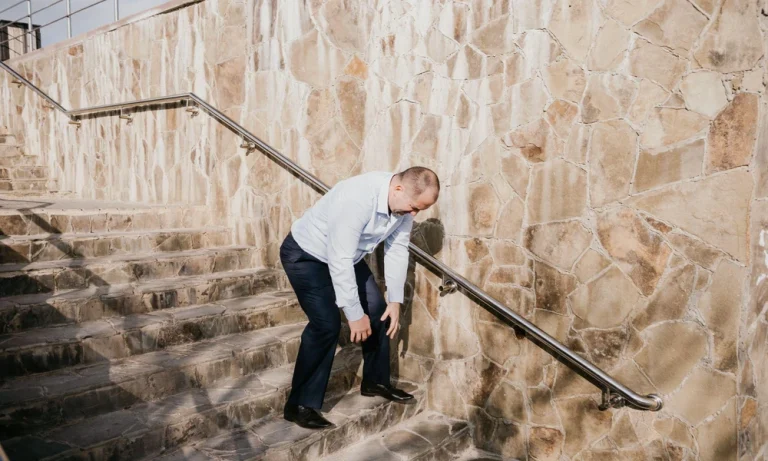
Have you ever noticed that after a long day, one side of your body feels more fatigued than the other? Or perhaps you have started favouring one leg when climbing stairs without consciously deciding to do so? This is often the body’s clever, yet potentially problematic, way of protecting itself. When you experience persistent knee joint pain, your brain instinctively adjusts your movement patterns to avoid discomfort. While this might provide temporary relief, these subtle changes can silently alter your posture and gait, leading to a cascade of further issues over time. It is a quiet process, one that happens beneath the radar, but recognising it early is the first step toward regaining your freedom of movement.

Why Does My Body Change How I Walk?

When the knee is compromised by persistent knee joint pain, the body prioritises immediate pain avoidance. If your knee hurts while bearing weight, your nervous system will shift your centre of gravity to the healthier side. You might notice you are shortening your stride, reducing the time your foot spends on the ground, or even altering how your heel strikes the pavement.

While these adjustments serve a short-term purpose, they rarely come without a cost. Your muscles and joints operate as a complex, interconnected system. When one link in that chain is strained, the others must compensate. This is why many people who suffer from chronic knee issues eventually find themselves dealing with nagging hip or lower back discomfort. The muscles that stabilise your pelvis may become overworked, trying to compensate for the imbalance originating lower down. Understanding this ripple effect is essential, as ignoring these early signals often allows minor discomfort to evolve into a more complex, persistent issue.

What Are the Hidden Dangers of Compensation?

The danger lies in the lack of awareness. Because these changes happen gradually, you likely do not feel them happening in real-time. Over months or years, these altered patterns can become your “new normal.” Muscles that should be active may become weak through disuse, while others may tighten up to stabilise joints that were not designed for that specific stress.

To help you identify these shifts, consider these common signs of compensation:

  • Uneven wear patterns on the soles of your shoes.
  • Increased fatigue in your gluteal or lower back muscles after walking.
  • A tendency to avoid squatting or kneeling completely.
  • Stiffness that feels worse after periods of inactivity.

This adaptation process is essentially a learned behaviour. Your nervous system is constantly updating its movement maps based on feedback from your joints. If the feedback is consistently painful, the map changes to protect you. Unfortunately, this protective map is often inefficient and can accelerate wear and tear on other healthy joints.

Could Corrective Support Help Me Move Better?

Restoring your natural movement is rarely as simple as just “trying to walk properly.” Once your body has adopted these protective habits to cope with knee joint pain, it often needs specific, guided input to break the cycle. This is where professional intervention becomes invaluable.

Effective knee pain treatment focuses on more than just the immediate site of discomfort. It involves a thorough assessment of how you move as a whole. A clinician will look at how your hip stability, ankle flexibility, and core strength interact with your knee. By identifying exactly where your movement breaks down, you can target the specific muscles that need strengthening and the areas that need mobilisation. This tailored approach allows you to retrain your nervous system, moving away from protective, inefficient patterns and back towards a more balanced, fluid way of walking.

How Can I Start My Recovery?

Recovery through specialised knee pain treatment is not just about reducing pain; it is about reclaiming the confidence to move without fear. Many people find that once they begin a structured plan to address the root causes of their discomfort, they are surprised by how quickly their body responds. You do not have to accept that your movement is permanently altered or that pain is an inevitable part of getting older.

Reach out to us at The Pain Clinic to learn more about our comprehensive knee pain treatment options. Our team is dedicated to helping you understand your unique movement profile and providing the care needed to get you back to the activities you love, ensuring you move with ease and confidence once again.

Athletes at every level face the reality that injuries can interrupt training, delay progress, and even threaten long-term goals. While rest is important, relying on rest alone often isn’t enough to fully restore strength, mobility, and confidence. This is where sports physical therapy becomes a vital part of an athlete’s recovery journey. With a targeted, science-backed approach, sports physical therapists help athletes heal properly, move more efficiently, and return to competition with reduced risk of re-injury. Working alongside medical experts such as a sports physician, they create a coordinated plan that supports both short-term healing and long-term performance.

The Athlete’s Injury And Movement Patterns

One of the first ways sports physical therapy supports recovery is through a detailed assessment. Unlike general physical therapy, sports-specific care focuses on the unique demands of each sport. A runner’s injury pattern differs from that of a tennis player or powerlifter, and the therapist evaluates biomechanics, muscle imbalances, flexibility, and joint stability with these needs in mind. This helps identify not only what caused the injury but also what underlying issues could trigger a future one. By understanding how the athlete moves, therapists can design highly personalized programs that rebuild proper mechanics and improve overall performance.

Reducing Pain and Restoring Mobility

Pain control is an early priority in sports physical therapy. Therapists use manual techniques, mobility work, and targeted exercises to reduce inflammation and improve circulation. Restoring range of motion is equally crucial, since stiffness can linger long after the initial injury. Through guided stretching, joint mobilization, and controlled movement patterns, athletes recover mobility without aggravating the injured area. When athletes start to feel their bodies responding positively, their confidence grows, and they can focus more on progressing toward full competition readiness.

Strengthening Muscles and Enhancing Stability

Rebuilding strength is one of the most important steps in returning to sport. Sports physical therapists create progressive strength programs that address both the injured area and the surrounding muscles that support it. This helps create better overall stability and reduces the risk of re-injury once the athlete returns to high-intensity movement. Balance training, core activation, unilateral strength work, and sport-specific conditioning all play a role in restoring power and resilience. These exercises not only repair weaknesses but also prepare the athlete for the demands of fast movements, sudden changes in direction, and repetitive impact.

Improving Sport-Specific Skills and Performance

As healing progresses, the focus shifts toward sport-specific training. Sports physical therapy doesn’t end with basic recovery; instead, it reintroduces functional skills that mimic real game situations. Therapists help athletes practice movements such as sprinting, jumping, throwing, cutting, or pivoting in a controlled environment. This stage bridges the gap between everyday mobility and competitive performance. By rebuilding coordination, agility, speed, and reaction time, athletes regain the confidence and readiness needed to perform at their best once they return to their sport.

Collaborating With Medical Professionals for Holistic Recovery

A successful return to competition often requires a team approach. A sports physician may diagnose the injury, recommend imaging, and outline medical guidelines for safe progression. Meanwhile, the sports physical therapist uses that information to shape a comprehensive rehabilitation plan. This collaboration ensures the athlete receives care that is both medically sound and performance-oriented. It also helps make transitions smoother, whether the athlete is moving from pain management to strength training or from conditioning to full competition drills.

Building Mental Strength and Confidence for Comeback Success

The emotional impact of an injury is often underestimated. Athletes may struggle with frustration, fear of re-injury, or loss of motivation. Sports physical therapy supports mental readiness by offering structured progress, measurable improvements, and reassurance through each stage of recovery. As athletes regain strength and movement, they also rebuild trust in their bodies, which is essential for returning to competition with full confidence and determination.

A Stronger Return to the Sport They Love

Sports physical therapy gives athletes the tools to heal, improve, and return to competition prepared for success. By addressing injury causes, rebuilding strength, and enhancing performance skills, this specialized care helps athletes come back stronger and more resilient than before. Whether they’re recovering from a minor strain or a major injury, athletes who invest in targeted sports physical therapy take an important step toward safeguarding their health and extending the longevity of their athletic careers.