
Key Takeaways
- Lifestyle adjustments can complement medical sleep apnoea treatment but should not replace professional care.
- Maintaining a healthy weight may help reduce the severity of obstructive sleep apnoea in some individuals.
- Sleep position, alcohol intake, smoking, and regular exercise can influence breathing during sleep.
- Consistent sleep habits may improve overall sleep quality and support treatment outcomes.
- An ENT doctor can assess underlying airway issues and recommend appropriate management options.
Introduction
Obstructive sleep apnoea is a condition in which the airway repeatedly becomes partially or completely blocked during sleep, leading to interrupted breathing and reduced sleep quality. While medical sleep apnoea treatment may include continuous positive airway pressure (CPAP), oral appliances, or surgical procedures depending on the cause and severity, lifestyle changes can also play a supporting role. These adjustments are not intended to replace medical treatment but may help reduce contributing factors and improve symptom management. An ENT doctor in Singapore may recommend combining clinical treatment with practical lifestyle measures as part of a broader management plan.
Maintain a Healthy Body Weight
Excess body weight, particularly around the neck and upper airway, may increase the likelihood of airway narrowing during sleep. For some individuals, gradual weight reduction can lessen the frequency or severity of airway obstruction. Weight management should focus on balanced nutrition, regular physical activity, and realistic long-term goals rather than short-term dieting. Even modest improvements in body weight may complement prescribed sleep apnoea treatment, although medical follow-up remains important because weight loss alone does not resolve every case of sleep apnoea.
Improve Sleeping Position
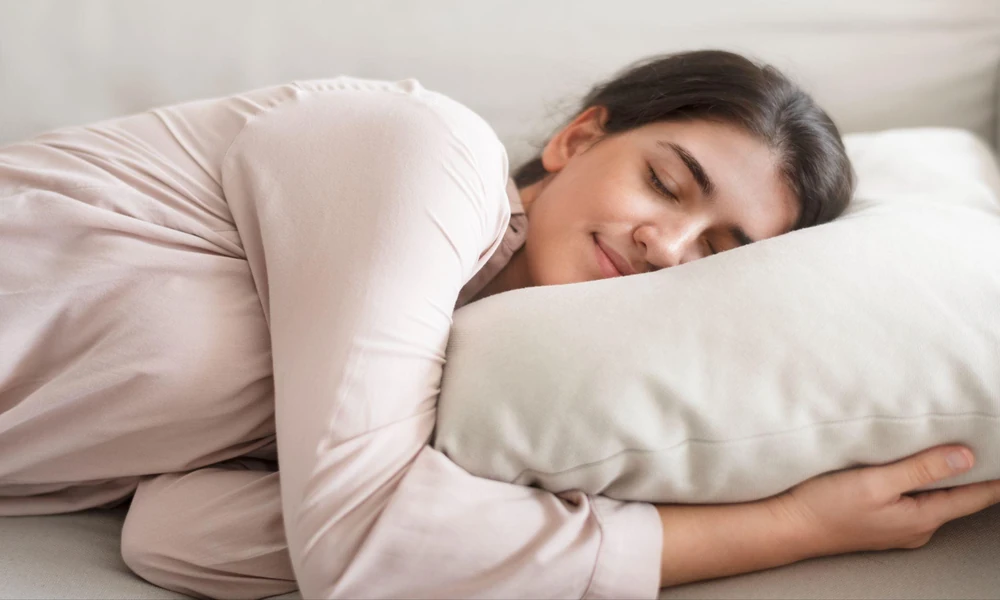
Sleeping posture can influence how easily the airway remains open during the night. Many people with obstructive sleep apnoea experience more frequent breathing interruptions when sleeping on their back because gravity encourages the tongue and surrounding soft tissues to move backwards. Sleeping on the side may reduce this effect for certain individuals. Positional therapy devices, specialised pillows, or simple techniques that encourage side sleeping may be considered as part of an overall management strategy. An ENT doctor can determine whether positional therapy is suitable based on the individual’s condition.
Reduce Alcohol Consumption and Avoid Sedatives Before Bedtime
Alcohol and certain sedative medications relax the muscles of the throat, making airway collapse more likely during sleep. Consuming alcohol in the hours before bedtime may worsen snoring and increase the frequency of breathing interruptions. Where possible, limiting alcohol intake during the evening and discussing prescribed sedative medications with a healthcare professional may help reduce these effects. Individuals should never discontinue prescribed medication without medical advice, but reviewing medications may form part of a comprehensive treatment plan.
Stop Smoking and Maintain Nasal Health
Smoking may contribute to inflammation and swelling within the upper airway, potentially making breathing more difficult during sleep. Stopping smoking can support respiratory health and may reduce irritation affecting the nose and throat. Likewise, managing nasal congestion caused by allergies, sinus conditions, or structural issues may improve airflow. Meanwhile, in some cases, an ENT doctor may identify conditions such as a deviated nasal septum, enlarged turbinates, or chronic sinus disease that contribute to breathing difficulties and recommend appropriate management alongside sleep apnoea treatment.
Establish Consistent Sleep Habits
Irregular sleep schedules and insufficient sleep may increase daytime fatigue and make the effects of sleep apnoea more noticeable. Going to bed and waking up at similar times each day supports a stable sleep routine. Creating a sleep-friendly environment by reducing noise, limiting screen exposure before bedtime, and maintaining a comfortable bedroom temperature may also improve overall sleep quality. Good sleep hygiene does not eliminate sleep apnoea, but it can support other treatment measures and improve overall well-being.
Stay Physically Active
Regular physical activity supports cardiovascular health, weight management, and overall physical fitness, all of which may contribute positively to sleep health. Moderate exercise performed consistently throughout the week may complement prescribed sleep apnoea treatment, particularly when combined with other healthy lifestyle habits. Exercise should be suited to an individual’s health status and carried out regularly rather than occasionally. Those with existing medical conditions should seek appropriate medical advice before beginning a new exercise programme.
Continue Regular Medical Follow-Up
Lifestyle changes are most effective when combined with appropriate medical assessment and ongoing monitoring. Some individuals require CPAP therapy, oral appliances, surgery, or other interventions depending on the cause and severity of their sleep apnoea. Regular reviews allow healthcare professionals to monitor progress, adjust treatment where necessary, and address new symptoms. An ENT doctor can evaluate changes in the upper airway and determine whether additional investigations or modifications to the treatment plan are required over time.
Conclusion
Lifestyle adjustments can provide valuable support for individuals undergoing sleep apnoea treatment, particularly when combined with appropriate medical care. Weight management, healthy sleep habits, smoking cessation, reduced alcohol intake, regular exercise, and attention to sleeping position may help reduce factors that contribute to airway obstruction. However, because sleep apnoea has multiple underlying causes, these measures should be viewed as supportive rather than standalone solutions. Consulting an ENT doctor helps ensure that treatment is tailored to the individual’s condition and monitored appropriately over time.
Connect with Dr Jenica Yong to discuss suitable sleep apnoea treatment options based on your condition and individual needs.

Comments are closed.