
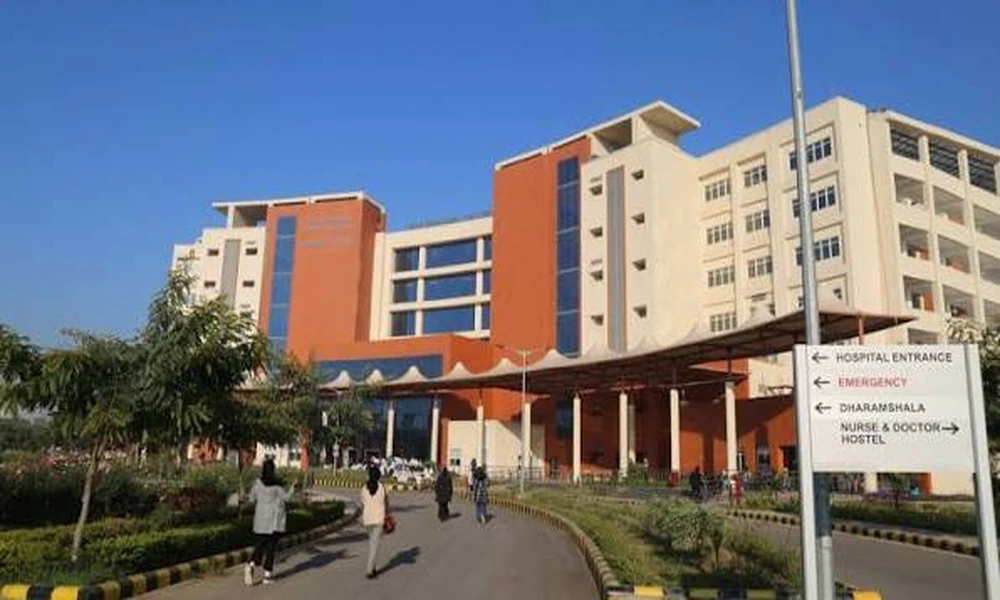
Chandigarh draws cancer patients from Punjab, Haryana, Himachal Pradesh, Jammu and Kashmir and western Uttar Pradesh, so families arriving in the tricity often face unfamiliar roads, long queues and a confusing mix of institutes, private hospitals and clinics. This guide is written for the family member who has been handed the job of organising everything: how to choose a centre, how to keep the oncologist and any supportive care team working together, and the practical details that make the months of treatment easier.
Know the landscape before you choose
The tricity of Chandigarh, Mohali and Panchkula offers several kinds of cancer care:
- Large teaching and government institutes with full oncology departments, research activity and very low costs, but heavy patient loads and long waits for beds and radiotherapy slots.
- Private multi-speciality and dedicated cancer hospitals in Chandigarh, Mohali and Panchkula with shorter waits and higher charges.
- Day-care chemotherapy units attached to hospitals or clinics.
- Supportive and integrative care centres that help patients cope with the side effects of treatment while the oncologist’s plan continues.
Most families use more than one. A common pattern is diagnosis and surgery at an institute, chemotherapy at a hospital nearer home, and supportive care at a separate centre.
How to compare cancer centres in the tricity
When evaluating a cancer hospital in chandigarh for the main treatment, use a fixed set of questions so the comparison is fair:
- Is there a tumour board? Medical, surgical and radiation oncologists discussing the case together is the clearest sign of organised care.
- Where is the pathology done? Ask whether immunohistochemistry and molecular tests are in-house, and how many days reports take.
- What radiotherapy machines are available, and what is the wait? Waiting lists for radiation can run into weeks at busy institutes; ask directly.
- Who is the named oncologist responsible? You should know one doctor’s name and how to reach their team.
- Which schemes are accepted? Ayushman Bharat PM-JAY, Punjab and Haryana state schemes, CGHS, ECHS, ESI and private insurers all have different empanelment lists.
- Is a written plan provided? Diagnosis, stage, intended treatment, number of cycles or sessions, and an indicative cost should be on paper.
A second opinion is normal in oncology. If the plan involves major surgery, very costly drugs or an unusual diagnosis, take the slides, scans and reports to another oncologist before starting. Many tricity doctors offer video consultations for this.
Coordinating the oncologist and supportive care
The oncologist’s treatment, whether surgery, chemotherapy, radiation, targeted therapy or immunotherapy, is the core of cancer care and should never be stopped, delayed or changed without the oncologist’s agreement. Supportive integrative care sits beside it, dealing with the things that make treatment hard to finish: nausea, poor appetite, weight loss, fatigue, mouth sores, sleep problems, anxiety and the strain on the family.
Cancer Healer Center’s centre offering cancer treatment in Chandigarh support is one example of this model. It describes its Cancer Healer Therapy as a herbal-based supportive therapy taken alongside conventional treatment, with a focus on energy, appetite, nutrition and wellbeing before and during chemo-radiation, a single coordinator for the family, and online consultations for patients living in Himachal or Punjab’s districts. Its own disclaimer tells patients not to stop, delay or change prescribed treatment, which is exactly the right rule.
To make the two teams work together:
- Give the supportive care centre a copy of the oncologist’s written plan and every discharge summary; the centre’s note on why treatment history matters explains what they need and why.
- Tell the oncologist, in writing if possible, about every herbal preparation or supplement being taken, so interactions and liver or kidney effects can be checked.
- Schedule supportive care visits on non-chemotherapy days.
- Appoint one family member as the single point of contact for both teams.
Practical tips for families in the tricity
- Accommodation: for patients from outside, sarais and dharamshalas near the main institutes are cheaper than hotels; ask the hospital social worker.
- Transport: daily radiotherapy for several weeks means commuting; Sector 17 and Mohali bus routes, shared autos and pre-booked cabs all work, but plan for winter fog delays.
- Paperwork: keep a single folder with ID proof, scheme cards, insurance policy, all reports and bills. Photograph everything to your phone.
- Food: during chemotherapy, small frequent meals, soft foods and clean drinking water matter more than any special diet. Ask for a dietitian referral.
- Infection: avoid crowds, keep visitors with coughs away, and check temperature twice a day during chemotherapy.
- Money: ask for the indicative cost per cycle before the first cycle. As a very approximate guide for Chandigarh, a chemotherapy cycle may range from about INR 10,000 to 1,20,000, radiotherapy courses from roughly INR 1,00,000 to 3,00,000, and major cancer surgery from INR 1,50,000 to 5,00,000 or more at private hospitals, with far lower charges at government institutes. The treating hospital gives the actual figure.
When to go to emergency
Go to the nearest emergency department immediately if the patient has fever above 38°C during chemotherapy, breathlessness, chest pain, uncontrolled vomiting, bleeding, severe pain, sudden confusion or a seizure. Keep the hospital’s emergency number saved and know the fastest route, especially at night.
Deciding with confidence
Visit two or three centres, ask the same questions at each, and get a second opinion if anything is unclear. Choose a cancer hospital in chandigarh that provides a named oncologist, a written plan and transparent costs, then add supportive care that coordinates with that plan. The FAQs on the Cancer Healer Center site answer common questions about how supportive therapy fits with ongoing treatment.
Disclaimer: This article is for general information only and is not a substitute for medical advice. Please consult a qualified oncologist before starting, changing or adding any cancer treatment or supportive therapy.

Comments are closed.