Microcurrent Facial Devices: Professional Protocols, Benefits & Safety
The landscape of aesthetic enhancement is continually evolving. A significant innovation involves technology that utilises low-level electrical currents. Originally with medical applications, this approach has become a cornerstone in modern skincare regimes.
This comprehensive resource delves into the core aspects of this advanced methodology. It explores established practises, scientifically supported advantages, and crucial welfare considerations. Insights from Penelope Academy Ltd inform this professional perspective.
The technology, often dubbed a “non-surgical facelift,” offers a compelling alternative to more invasive procedures. Understanding its correct application is paramount for optimal outcomes. Penelope Academy emphasises that knowledge of proper technique and realistic expectations is essential.
Key Takeaways
- This technology has transitioned from clinical use to aesthetic treatments over several decades.
- This guide provides a detailed analysis of professional protocols and evidence-based advantages.
- It is widely recognised as a non-invasive alternative to surgical facial procedures.
- The article covers operational principles and compares clinical versus home-based treatments.
- A strong emphasis is placed on essential safety guidelines and contraindications.
- Proper utilisation and managed expectations are critical for achieving the best possible results.
Introduction to Microcurrent Facial Devices
A quiet revolution is reshaping how we approach skincare and rejuvenation. This section explores microcurrent facials, one of today’s most discussed aesthetic technologies.
Defining Microcurrent Facials
At its core, a microcurrent facial is a cosmetic treatment. A specialised handheld device delivers very low-level electrical currents. These tiny currents aim to stimulate facial muscles and skin tissue for a lifted, toned appearance.
The technology has deep medical roots. Since the 1980s, clinicians have utilised similar currents to treat paralysis of the face, such as Bell’s palsy. This established a strong safety profile. Beauty experts later noticed positive aesthetic side effects, adapting the method for anti-ageing purposes.
The Rise of Non-Invasive Beauty Treatments
Consumer preference has shifted dramatically towards gentle, effective alternatives to surgery. Non-invasive procedures now dominate the beauty landscape. Treatments like this are often marketed as a non-surgical facelift.
The appeal is clear. There are no incisions, no anaesthesia, and no downtime. People remain awake and can return to daily life straight after a session. This accessibility, coupled with proven results, fuels its popularity in clinics and homes alike.
Understanding the Technology Behind Microcurrent Facials
At the heart of this non-invasive approach lies a precise interaction between energy and biology. This segment explains the core principles that drive its visible effects.
The technology uses an electrical current of extremely low intensity. Measured in microamperes, it closely matches the body’s own natural bio-electrical field. This compatibility is key for safe and effective interaction with human tissue.
How Microcurrent Works on Facial Muscles and Skin
A circuit is formed when two charged conductors touch the skin. The current flows between them, passing through the underlying facial structures. This process targets the network of 32 distinct muscles.
The aim is re-education. The gentle stimulation trains these muscles to hold a more lifted, toned position. However, the minute currents alone cannot manipulate them.
The physical movement of the device’s probes guides the facial muscles into place. The electrical current then reinforces this new, optimal positioning. This dual action is the essence of the re-education process.
Furthermore, microcurrent prompts cells to increase ATP production. Adenosine triphosphate is the primary energy currency for cells. It fuels vital processes, including protein synthesis and muscle function, supporting overall skin health.
Electrical Currents and the Role of Conductive Gel
A critical component for success is the conductive gel. This specially formulated, water-based product is not optional. It creates an essential pathway for the electrical current to penetrate the skin’s surface.
Without this medium, the current cannot travel to the deeper muscle layers where re-education occurs. The user would only feel a superficial pricking sensation. Proper conductive gel ensures the therapeutic signal reaches its target.
Skin preparation is equally vital. The skin must be thoroughly cleansed with an oil-free formula. Oils and product residue act as insulators, creating a barrier that blocks effective current transmission. A clean slate is fundamental.
Microcurrent Facial Devices: Professional Protocols, Benefits, and Safety
Two distinct pathways exist for those seeking non-surgical facial toning: clinical sessions and home care. The choice impacts the experience, outcome, and investment required.
Professional vs At-home Treatments
Salon-grade equipment operates at significantly higher power. This increased intensity is unsafe for personal use but allows for more dramatic, immediate lifting. As one aesthetician notes,
“The precision of a clinical machine allows us to tailor every session to the individual’s musculature and skin needs.”
Practitioners often integrate this technology with other modalities. These can include lymphatic massage, targeted serums, and collagen-boosting masks. This holistic approach enhances the final result.
Consumer-level tools use a much lower charge for safety. Achieving visible firming therefore demands consistent, regular application. Persistence with a daily routine is key to seeing gradual improvement.
|
Aspect
|
Clinical Treatment
|
At-home Regime
|
|
Current Strength
|
High, adjustable per session
|
Low, fixed for safety
|
|
Typical Protocol
|
Course of sessions, increasing intensity
|
Daily use initially, then maintenance
|
|
Result Timeline
|
Noticeable after first few sessions
|
Weeks of consistent use required
|
|
Best For
|
Significant ageing concerns, over 50s
|
Preventative care, maintaining clinic results
|
For those with pronounced signs of ageing, beginning with a professional course is advised. Younger users may find a personal tool effective for upkeep between occasional salon visits.
Detailed Benefits of Microcurrent Facials
The advantages of this technology extend far beyond a simple lifting effect. It promotes a healthier, more radiant complexion through multiple biological pathways.
Improvement in Circulation and Collagen Production
Electrical stimulation significantly boosts blood flow to the skin. This enhanced circulation delivers more oxygen and nutrients to cells.
The result is a plumper, more vibrant appearance. The treatment also encourages cells to produce more ATP.
This energy molecule drives the creation of structural proteins like collagen and elastin. Over time, this leads to improved firmness and elasticity.
Facial Muscle Stimulation and Skin Tightening
Targeted currents cause subtle contractions in the facial muscles. This “re-education” process helps tone and lift these muscles.
Visible sagging can be reduced, creating a more defined contour. The combined effect on muscles and skin structure softens the look of fine lines.
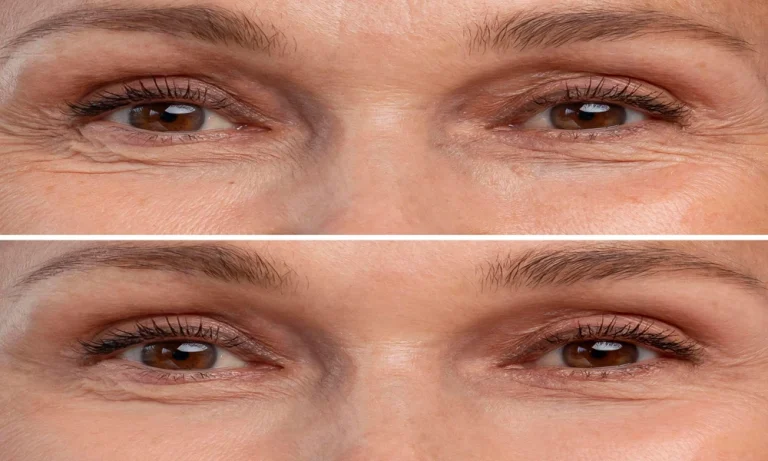
Areas like the eyes and forehead appear tighter and more awake. With consistent use, these improvements become more pronounced.
|
Biological Process
|
Immediate Effect
|
Long-term Result
|
|
Enhanced Circulation
|
Radiant, plump skin
|
Healthier cellular function
|
|
Collagen Production
|
Improved hydration
|
Firmer, more elastic skin
|
|
Muscle Tonification
|
Lifted appearance
|
Sculpted facial contours
|
Safety Considerations and Potential Side Effects
A thorough assessment of suitability forms the cornerstone of safe practice. Research from 2021 describes these treatments as “relatively safe” with few side effects when correct guidelines are followed.
The electrical charge is too low to injure tissue. Properly administered, it should not hurt or damage the skin.
Contraindications and At-risk Users
Some people should avoid microcurrent facials entirely. This includes those with epilepsy, diabetes, or cardiac conditions like a pacemaker.
Pregnant individuals are also advised against treatment due to unknown foetal safety. Chronic acne may be worsened as stimulation can increase inflammation.
For those with recent cosmetic injectables, a two-week wait is recommended. This allows the product to settle without altering results.
Minimising Side Effects and Best Practices
Reported effects are usually mild and temporary. They can include tingling, skin sensitivity, dryness, or drowsiness.
These sensations typically fade within hours. To reduce risk, start with low intensity and short sessions.
Choosing approved devices and consulting a practitioner is wise. This is especially important for people with underlying health concerns.
Comparative Overview: At-home vs In-salon Treatments
The choice between in-clinic and at-home approaches hinges on efficacy, cost, and lifestyle compatibility.
Efficacy and Strength of Professional Devices
Salon-grade technology employs significantly stronger currents. This allows for more dramatic, immediate results.
A single 80-minute professional treatment can visibly plump the skin and lift the brow area. It also defines the jawline and cheekbones. These treatments are often combined with other modalities for enhanced effect.
For maintenance, aestheticians typically advise monthly sessions. Some clients with access to residential facilities opt for weekly treatments.
Cost and Convenience Factors
Clinic treatments represent an ongoing cost, typically £150-450 per session. A personal microcurrent device is a one-time investment of £140-400.
|
Consideration
|
In-salon
|
At-home
|
|
Cost per Session
|
£150-450
|
N/A (one-off purchase)
|
|
Time per Session
|
60-80 minutes
|
3-6 minutes
|
|
Frequency
|
Monthly or weekly
|
Daily, then 3 times weekly
|
For long-term value, a home device is cost-effective. Younger clients may maintain contours this way. Those over 50 often need the stronger professional treatment first.
The best results come from combining both. Use clinic sessions for correction and a home device to extend the effects. A daily five-minute routine is a convenient home habit.
Integrating Microcurrent Devices with Skincare Routines
Achieving optimal toning and firming requires more than just a standalone device; it demands a holistic approach. The best outcomes arise when this technology is woven into a comprehensive skincare regimen.
Enhancing Results with Complementary Therapies
Proper preparation is crucial. The skin must be thoroughly cleansed with an oil-free gel cleanser. This removes makeup and residue that could block the current.
When you use this method, a water-based conductive gel is essential. This specialised gel creates the pathway for the current to reach deeper layers.
In professional settings, these treatments often combine multiple modalities. A typical sequence includes cleansing, LED light therapy, gentle exfoliation, and nourishing masks.
This integration boosts the efficacy of topical products. Increased circulation allows serums to penetrate more effectively.
Many modern tools combine several technologies. These can include LED lights or radiofrequency for a multi-pronged approach.
After a session, apply hydrating serums and moisturisers. Avoid strong exfoliants for 24 hours. This routine enhances the skin’s health and can be part of a broader body care practice.
Future Trends and Innovations in Microcurrent Technology
Innovation in electrical skincare tools is accelerating, introducing new waveforms and capabilities. Manufacturers are exploring the benefits of other electrical wavelengths. This leads to sophisticated systems that target different layers simultaneously.
Advancements in EMS and Nanocurrent Applications
Nanocurrent technology operates at a much lower electrical current. Its waveforms work primarily at the skin’s surface.
This surface-level stimulation prompts cells to increase ATP production. The body uses this energy to create collagen and elastin.
Dual Waveform Technology combines both microcurrent and nanocurrent in one device. This allows for comprehensive treatment in a single session.
EMS (Electrical Muscle Stimulation) represents the next evolution. It works on similar principles but with far greater intensity.
Standard microcurrent operates within 0.3 to 50Hz. Advanced EMS devices can deliver up to 4KHz.
This higher intensity penetrates deeper into the muscle layer. It causes involuntary twitching, indicating effective deep stimulation.
The result is a more dramatic lift and improved muscle tone.
|
Technology
|
Primary Target
|
Key Mechanism
|
Typical Frequency
|
|
Microcurrent
|
Facial Muscles
|
Muscle re-education & circulation
|
0.3 – 50 Hz
|
|
Nanocurrent
|
Skin Surface
|
ATP & collagen synthesis
|
Sub-microampere range
|
|
EMS
|
Deep Muscle Layers
|
Powerful muscle contraction & toning
|
Up to 4,000 Hz
|
The Evolution of Beauty and Wellness Tech
The trend is toward multi-functional platforms. These combine various modalities like LED and radiofrequency.
Future way forward includes AI for personalised protocols. Improved portability and ongoing research into optimal wavelengths will shape the next generation of tools.
Conclusion
Ultimately, the decision to pursue this treatment requires careful consideration. It uses gentle electrical signals to stimulate the skin and underlying muscles of the face.
Many people report immediate results, like a tighter, more sculpted appearance. The range of potential benefits is compelling, from improved circulation and collagen production to softening fine lines.
However, robust long-term studies are still limited. Consulting a doctor is wise, especially for those with conditions like acne or inflammation.
Thoroughly research clinics and read reviews. Realistic expectations about frequency, often several times weekly for a few minutes, are key.
When applied correctly with proper safety measures, microcurrent facials offer a valuable non-surgical option for facial rejuvenation and tone.
FAQ
How does a microcurrent device actually work on the skin?
These tools deliver a gentle, low-level electrical current that mimics the body’s own natural bio-currents. This current stimulates facial muscles, encouraging them to contract and tone, much like a workout. It also enhances circulation and cellular activity, which can support the skin’s natural production of collagen and elastin for a firmer appearance.
Is a conductive gel necessary when using these devices?
Yes, using a conductive gel or serum is essential. It acts as a crucial medium that allows the electrical current to flow smoothly and effectively across the skin’s surface. Without it, the treatment will be less effective and the sensation can be uncomfortable.
What are the main benefits one can expect from regular use?
Consistent users often report a visible improvement in skin tone and firmness, with a reduction in the appearance of fine lines. The treatment promotes better circulation and may help to reduce puffiness, giving the complexion a more lifted and revitalised look over time.
Are there any side effects or safety concerns to be aware of?
When used correctly, these treatments are generally considered safe. Some people might experience slight, temporary redness. It is vital to avoid using the device if you have a pacemaker, are pregnant, or have certain neurological conditions. Always follow the manufacturer’s guidelines.
How do professional salon treatments differ from using an at-home device?
In-salon sessions utilise more powerful, clinical-grade equipment operated by a trained therapist, often yielding more pronounced and immediate results. Home systems are designed for safety and convenience, offering cumulative benefits with regular, long-term use.
Can microcurrent help with acne or inflammation?
While not a primary treatment for active acne, the technology can aid in reducing inflammation and improving localised blood flow. This supportive action may help to calm the skin and promote a healthier environment for healing.
How often should one use a personal device for optimal results?
For best outcomes, most manufacturers recommend starting with several sessions per week for the first month or two, often for about five to ten minutes per session. Once desired results are maintained, a routine of one to two treatments per week is typically sufficient.