
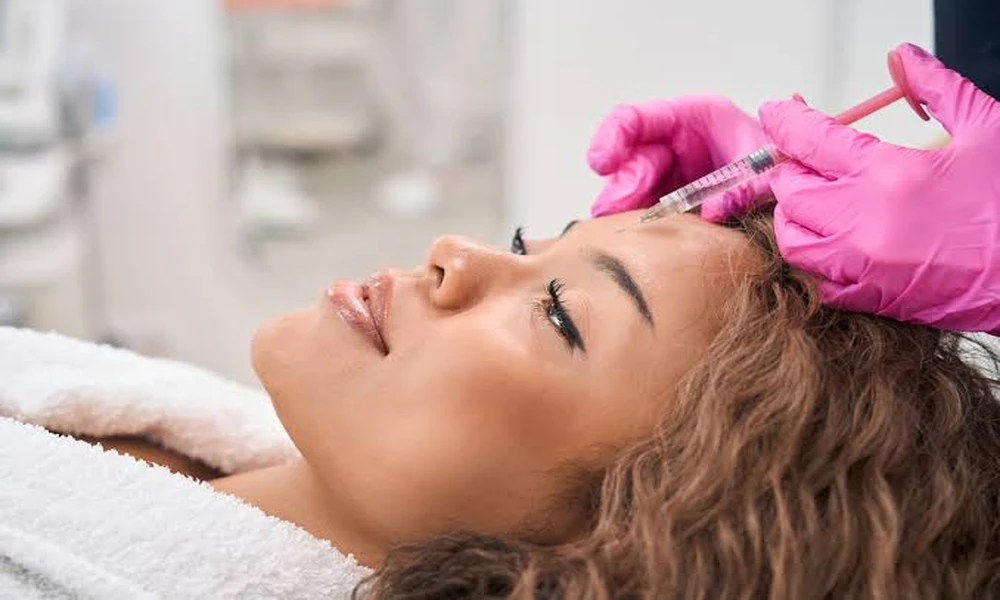
Fine lines can become more noticeable when the same facial muscles contract throughout the day. Over time, repeated movement can leave creases across the forehead, between the brows, or beside the eyes. Botox addresses that muscle activity, making it useful for patients who want softer lines without losing the expressions that make their face recognizable.
That is why Botox injections Pasadena patients seek should begin with how the face moves before the lines in the mirror. This matters in a city built around face-to-face work. Plenty of patients here teach, present, or meet clients all day and rely on a face that moves. The practitioner can then decide which muscles to treat and how much relaxation the change needs.
Dosing Depends on the Muscle Being Treated
Forehead lines become visible when the frontalis muscle lifts the eyebrows. Frown lines between the brows come from a separate group, the glabellar muscles. Crow’s feet appear with movement around the eyes. Each region moves on its own, so one dose across the whole face does not always fit.
Botox temporarily reduces activity in these muscles. It does not fill the crease or thicken the skin. It eases the movement that folds the same spot over and over.
The amount varies with the muscle. Strong movement may call for more product, while a patient who wants to keep more motion needs a lighter touch. Treating the whole area the same way can leave a face looking flatter than the patient intended.
Fine Lines Are Not Always a Botox Problem
Fine lines that remain visible without facial movement point to changes in the skin itself. Skin that has lost collagen or elasticity can hold a crease after years of movement. Sun and dry air leave the surface thinner and rougher over time.
Botox cannot correct those changes. Assessing Botox for fine lines means separating how much of a line comes from muscle movement and how much from the skin itself. When the skin is the bigger factor, texture, pigment, or collagen-focused treatments do more than a neuromodulator can.
Keeping the Face Expressive
Avoiding a frozen look does not mean avoiding Botox. It means treating the muscles behind the unwanted movement without shutting down every expression. Muscle strength, eyebrow position, proportions, and natural asymmetries differ from person to person. The Botox consultation at Akari Medspa also covers facial movement, anatomy, and how much expression the patient wants to keep.
What to Settle Before Treatment
A short conversation about what natural means saves trouble later. One patient wants forehead movement obvious, another mainly wants the vertical frown lines softened, another is bothered by crow’s feet but wants the eyes to move in a smile. Past Botox also informs the plan, including how the face responded and how long the effect held.
A measured approach softens the lines that draw attention while leaving enough movement for familiar expressions. That is the difference between treating a face and treating its wrinkles.

Comments are closed.