Tag

active lifestyle

Browsing

Key Lessons for Better Mobility

  • Subconscious changes in your gait, often called compensation patterns, can lead to secondary issues in your hips, back, and ankles.
  • Early detection of movement changes is vital for preventing long-term damage to your joints.
  • Effective management involves addressing the root cause rather than just masking the symptoms.
  • Professional assessment is crucial to restoring your natural, pain-free movement.

Moving Through the Subtle Shifts

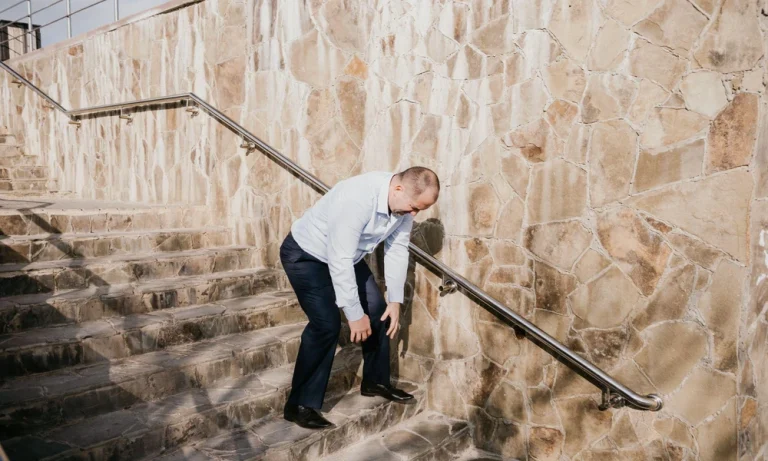
Have you ever noticed that after a long day, one side of your body feels more fatigued than the other? Or perhaps you have started favouring one leg when climbing stairs without consciously deciding to do so? This is often the body’s clever, yet potentially problematic, way of protecting itself. When you experience persistent knee joint pain, your brain instinctively adjusts your movement patterns to avoid discomfort. While this might provide temporary relief, these subtle changes can silently alter your posture and gait, leading to a cascade of further issues over time. It is a quiet process, one that happens beneath the radar, but recognising it early is the first step toward regaining your freedom of movement.

Why Does My Body Change How I Walk?

When the knee is compromised by persistent knee joint pain, the body prioritises immediate pain avoidance. If your knee hurts while bearing weight, your nervous system will shift your centre of gravity to the healthier side. You might notice you are shortening your stride, reducing the time your foot spends on the ground, or even altering how your heel strikes the pavement.

While these adjustments serve a short-term purpose, they rarely come without a cost. Your muscles and joints operate as a complex, interconnected system. When one link in that chain is strained, the others must compensate. This is why many people who suffer from chronic knee issues eventually find themselves dealing with nagging hip or lower back discomfort. The muscles that stabilise your pelvis may become overworked, trying to compensate for the imbalance originating lower down. Understanding this ripple effect is essential, as ignoring these early signals often allows minor discomfort to evolve into a more complex, persistent issue.

What Are the Hidden Dangers of Compensation?

The danger lies in the lack of awareness. Because these changes happen gradually, you likely do not feel them happening in real-time. Over months or years, these altered patterns can become your “new normal.” Muscles that should be active may become weak through disuse, while others may tighten up to stabilise joints that were not designed for that specific stress.

To help you identify these shifts, consider these common signs of compensation:

  • Uneven wear patterns on the soles of your shoes.
  • Increased fatigue in your gluteal or lower back muscles after walking.
  • A tendency to avoid squatting or kneeling completely.
  • Stiffness that feels worse after periods of inactivity.

This adaptation process is essentially a learned behaviour. Your nervous system is constantly updating its movement maps based on feedback from your joints. If the feedback is consistently painful, the map changes to protect you. Unfortunately, this protective map is often inefficient and can accelerate wear and tear on other healthy joints.

Could Corrective Support Help Me Move Better?

Restoring your natural movement is rarely as simple as just “trying to walk properly.” Once your body has adopted these protective habits to cope with knee joint pain, it often needs specific, guided input to break the cycle. This is where professional intervention becomes invaluable.

Effective knee pain treatment focuses on more than just the immediate site of discomfort. It involves a thorough assessment of how you move as a whole. A clinician will look at how your hip stability, ankle flexibility, and core strength interact with your knee. By identifying exactly where your movement breaks down, you can target the specific muscles that need strengthening and the areas that need mobilisation. This tailored approach allows you to retrain your nervous system, moving away from protective, inefficient patterns and back towards a more balanced, fluid way of walking.

How Can I Start My Recovery?

Recovery through specialised knee pain treatment is not just about reducing pain; it is about reclaiming the confidence to move without fear. Many people find that once they begin a structured plan to address the root causes of their discomfort, they are surprised by how quickly their body responds. You do not have to accept that your movement is permanently altered or that pain is an inevitable part of getting older.

Reach out to us at The Pain Clinic to learn more about our comprehensive knee pain treatment options. Our team is dedicated to helping you understand your unique movement profile and providing the care needed to get you back to the activities you love, ensuring you move with ease and confidence once again.

Key Highlights

  • Clarity on whether you want weight loss, muscle gain, or cardiovascular health prevents costly purchasing mistakes.
  • Measure your floor area and consider vertical storage options before committing to bulky machinery.
  • Busy professionals benefit from high-intensity interval tools, while those seeking low-impact recovery require smoother mechanics.
  • Select a gear that you actually enjoy using rather than following fleeting fitness fads that lead to boredom.

Introduction

Walking into a fitness store often feels like entering a sweet shop without a shopping list. Every shiny console and sleek flywheel promises a better version of yourself. However, succumbing to impulse buys is the fastest way to turn your spare room into a graveyard of good intentions. A successful home gym does not require the most expensive gear; it requires the right gear for you.

You must align your purchase with your specific biological needs and logistical constraints. The most effective fitness machine for your home is the one that fits seamlessly into your daily routine and addresses your unique physical requirements. We need to move beyond marketing hype and look at the practical intersection of physiology and psychology.

Calibrating for Cardiovascular Health

If your primary goal involves improving heart health or burning calories efficiently, you need equipment that sustains an elevated heart rate without destroying your joints. Running is excellent, but high-impact treadmills can be brutal on the knees over time, especially in a compact apartment where noise travels. This is where the stationary cycle shines. An exercise bike in Singapore is particularly well-suited to the urban environment. It offers a rigorous cardiovascular workout with a minimal footprint. Unlike a treadmill, it places zero impact stress on the ankles and hips, making it sustainable for daily use.

You can cycle while watching the news or listening to a podcast, which lowers the barrier to entry for exercise. It integrates activity into your downtime rather than demanding a separate block of mental energy.

Building Strength and Toning

Cardio is vital, but it is not the complete picture. If you want to change body composition, you must introduce resistance. Many homeowners make the mistake of buying complex multi-gyms that take hours to assemble and years to master. You should look for versatility.

Resistance bands, adjustable dumbbells, or a rowing machine offer a superior return on investment. A rower, for instance, is a hybrid powerhouse. It builds endurance while engaging the legs, back, and core in every stroke. You get a strength workout and a cardio session simultaneously. This efficiency is critical for professionals who cannot afford to spend ninety minutes training every evening. You need tools that deliver maximum metabolic disturbance in minimum time.

The Reality of Space and Noise

We cannot ignore the logistics of living in high-density housing, especially if you plan to invest in a fitness machine for home use. Your neighbours do not want to hear a heavyweight stack clanging at six in the morning. Quiet operation is a feature you must prioritise. Magnetic resistance systems, commonly found in modern cycles and rowers, are virtually silent. They rely on magnets rather than friction, which means no whirring belts or scraping pads. You must also consider the “parked” footprint of the machine. Does it fold? Can it be stored upright? A massive elliptical might look impressive in a showroom, but if it blocks the path to your balcony, you will eventually resent it. Your space should feel inviting, not cluttered, especially if you are planning for a sizable exercise bike in Singapore.

Sustainability and Enjoyment

The best exercise regimen is the one you stick to. If you hate running, a treadmill will not magically make you a runner; it will just make you feel guilty. You must choose a modality that you find tolerable, or even enjoyable. If you enjoy cycling outdoors but the tropical heat makes it impossible, bringing that experience indoors is a logical step, should you want to buy an exercise bike in Singapore.

If you prefer rhythmic, meditative movement, a rower provides that flow. Consistency is the compound interest of fitness. You are better off using a simple machine for twenty minutes every day than a complex one once a fortnight. Be honest about what you enjoy, and build your home gym around that truth.

Conclusion

Building a home fitness setup is a strategic decision that impacts your health and your living environment. By carefully evaluating your goals, respecting your spatial limits, and choosing equipment that minimises friction in your daily life, you set yourself up for long-term success. It is not about having the most equipment; it is about having the right tool for the job.

Visit OTO Wellness today to explore a curated selection of premium body care and fitness innovations that bring the gym experience directly to your home.