
Key Lessons for Better Mobility
- Subconscious changes in your gait, often called compensation patterns, can lead to secondary issues in your hips, back, and ankles.
- Early detection of movement changes is vital for preventing long-term damage to your joints.
- Effective management involves addressing the root cause rather than just masking the symptoms.
- Professional assessment is crucial to restoring your natural, pain-free movement.
Moving Through the Subtle Shifts
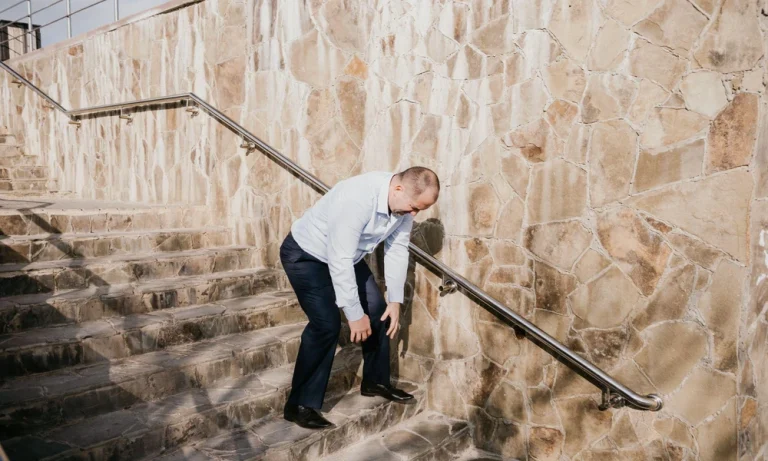
Have you ever noticed that after a long day, one side of your body feels more fatigued than the other? Or perhaps you have started favouring one leg when climbing stairs without consciously deciding to do so? This is often the body’s clever, yet potentially problematic, way of protecting itself. When you experience persistent knee joint pain, your brain instinctively adjusts your movement patterns to avoid discomfort. While this might provide temporary relief, these subtle changes can silently alter your posture and gait, leading to a cascade of further issues over time. It is a quiet process, one that happens beneath the radar, but recognising it early is the first step toward regaining your freedom of movement.
Why Does My Body Change How I Walk?
When the knee is compromised by persistent knee joint pain, the body prioritises immediate pain avoidance. If your knee hurts while bearing weight, your nervous system will shift your centre of gravity to the healthier side. You might notice you are shortening your stride, reducing the time your foot spends on the ground, or even altering how your heel strikes the pavement.
While these adjustments serve a short-term purpose, they rarely come without a cost. Your muscles and joints operate as a complex, interconnected system. When one link in that chain is strained, the others must compensate. This is why many people who suffer from chronic knee issues eventually find themselves dealing with nagging hip or lower back discomfort. The muscles that stabilise your pelvis may become overworked, trying to compensate for the imbalance originating lower down. Understanding this ripple effect is essential, as ignoring these early signals often allows minor discomfort to evolve into a more complex, persistent issue.
What Are the Hidden Dangers of Compensation?
The danger lies in the lack of awareness. Because these changes happen gradually, you likely do not feel them happening in real-time. Over months or years, these altered patterns can become your “new normal.” Muscles that should be active may become weak through disuse, while others may tighten up to stabilise joints that were not designed for that specific stress.
To help you identify these shifts, consider these common signs of compensation:
- Uneven wear patterns on the soles of your shoes.
- Increased fatigue in your gluteal or lower back muscles after walking.
- A tendency to avoid squatting or kneeling completely.
- Stiffness that feels worse after periods of inactivity.
This adaptation process is essentially a learned behaviour. Your nervous system is constantly updating its movement maps based on feedback from your joints. If the feedback is consistently painful, the map changes to protect you. Unfortunately, this protective map is often inefficient and can accelerate wear and tear on other healthy joints.
Could Corrective Support Help Me Move Better?
Restoring your natural movement is rarely as simple as just “trying to walk properly.” Once your body has adopted these protective habits to cope with knee joint pain, it often needs specific, guided input to break the cycle. This is where professional intervention becomes invaluable.
Effective knee pain treatment focuses on more than just the immediate site of discomfort. It involves a thorough assessment of how you move as a whole. A clinician will look at how your hip stability, ankle flexibility, and core strength interact with your knee. By identifying exactly where your movement breaks down, you can target the specific muscles that need strengthening and the areas that need mobilisation. This tailored approach allows you to retrain your nervous system, moving away from protective, inefficient patterns and back towards a more balanced, fluid way of walking.
How Can I Start My Recovery?
Recovery through specialised knee pain treatment is not just about reducing pain; it is about reclaiming the confidence to move without fear. Many people find that once they begin a structured plan to address the root causes of their discomfort, they are surprised by how quickly their body responds. You do not have to accept that your movement is permanently altered or that pain is an inevitable part of getting older.
Reach out to us at The Pain Clinic to learn more about our comprehensive knee pain treatment options. Our team is dedicated to helping you understand your unique movement profile and providing the care needed to get you back to the activities you love, ensuring you move with ease and confidence once again.


