
Sports help to motivate the body to perform at its best. However, this motivation can also bear the chances of injury like thumb injury. Common hand injuries among athletes include thumb sprains, fractures resulting from falls, collisions or repetitive motions.
Thumbs play a very active role in throwing, grasping, catching, and using tools, therefore, any injury to them no matter how minor can significantly impair one’s ability to work.
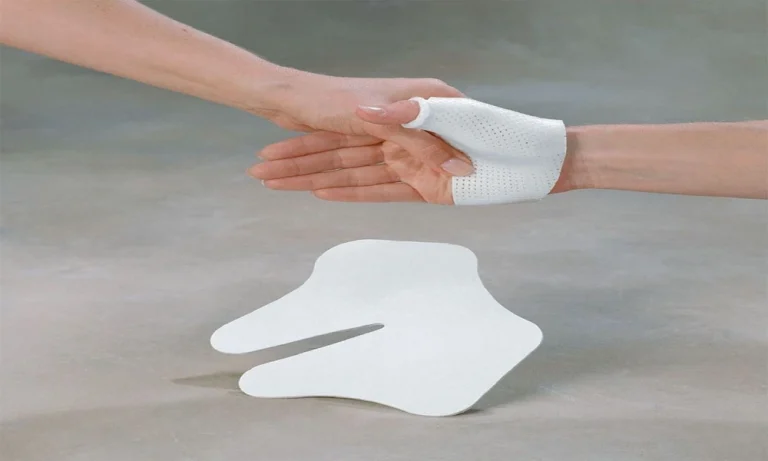
The most highly recommended orthopedic aid to recover the injured thumb during recovery is a thumb spica splint. This thumb immobiliser works to keep the thumb stable, but offers movement to the remaining fingers and wrist. It helps relieve pain and stops the thumb getting hurt further, allowing your injury to heal.
Whether you are a competitive athlete, a recreational player, or you are making a comeback after recovering from injury, then knowledge of how, why and when to use a thumb spica splint can really equip you to handle the recovery.
What Is a Thumb Spica Splint?
A thumb spica splint is crafted to provide proper support and restrict the unnecessary movement of the thumb. Unlike a full-hand cast, this type of splint leaves the fingers free, allowing the user to perform light daily tasks while keeping the injured thumb protected.
Why Thumb Injuries Are Common in Sports?
The thumb plays a crucial role in almost every movement of the hand. This helps in providing a good strength, stability and precision. Thumb helps make a good grip of the hand while holding sports equipment such as rackets, bats, sticks, balls, and handlebars.
This kind of sports related thumb injury most frequently results from the following:
- Falling onto an outstretched hand
- Direct impact with another player
- Sudden twisting or bending of the thumb
- Repetitive stress from gripping equipment
- High-speed collisions during contact sports
Continuing playing without any proper support can irritate the injury and make the condition take longer to heal.
Best Uses of a Thumb Spica Splint in Sports
1. Supporting Thumb Sprains
Thumb spica splints are also commonly used for managing thumb sprains. When the thumb is sprained, the ligaments supporting it are stretched excessively, and tearing can occur. The splint helps by:
- Limiting painful thumb movements
- Reducing stress on injured ligaments
- Providing stability during healing
- Allowing the swelling to go down
Immobilizing the area that is affected right from the start often helps in preventing a minor sprain from turning into a serious injury.
2. Managing Ligament Injuries
Some games and sports can put undue pressure on the thumb ligaments like skiing, football, rugby and basketball. The thumb ligament at the base can be injured after a fall or an accident or impact of the thumb to something.
The external support of this orthopedic aid reduces strain on healing tissues and helps maintain proper thumb alignment.
3. Protecting Minor Thumb Fractures
Not all thumb fractures may be necessarily recovered with surgery. Such displaced or closed fractures can heal very well if properly stabilized.
The use of a thumb splint protects the injured bone by limiting unnecessary movement as well as allowing regular medical monitoring. Since removable splints are easier to examine than traditional casts, healthcare providers may recommend them in certain cases.
4. Recovery After Thumb Surgery
Athletes who are healing from thumb surgery often go through many stages of rehabilitation. In the first part of recovery your thumb spica splint will provide:
- Protection for repaired tissues
- Controlled immobilisation
- Reduced accidental movement
- Support during early rehabilitation exercises
As you heal, your healthcare providers might start diminishing splint usage and bring in some strengthening activity.
5. Returning to Sports Safely
The risk for re injury is high with return to play as much too quickly with a hand injury of the thumb. A thumb spica splint might be recommended in this stage of your recovery to provide stability as your confidence and strength build. A thumb splint only provides reassurance during the initial stages of the return to sport.
Athletes recovering from thumb related injury should follow their doctor’s recommendations, while resuming their training or sport.
6. Preventing Repeated Thumb Injuries
Recurring thumb sprains happen for some athletes in activities where the threat of landing directly on your thumb or repeated direct impact are high.
To help your injured tissue minimize further tissue stress and to lessen risk of re-injury during your recovery period or if prescribed by a doctor.
However remember that a splint is not the be all and end all, to prevention of injuries, it does encourage protection in areas where structures are not as strong.
Sports Where a Thumb Spica Splint Is Commonly Used
Athletes from various sports can benefit from a thumb spica splint during recovery, including:
- Basketball
- Volleyball
- Rugby
- Cricket
- Baseball
- Skiing
- Snowboarding
- Hockey
- Tennis
- Badminton
- Martial arts
- Wrestling
- Rock climbing
- Cycling
- Gymnastics
The type and wearable duration of this support are determined based upon the type of injury suffered, type of sport practiced, and doctor’s prescription.
Benefits of Wearing a Thumb Spica Splint
There are several practical benefits of having a thumb spica splint during your recovery.
Conclusion
Thumb injuries can directly lead to an athlete’s ability to train, compete and even perform the simplest tasks of routine life. Thumb is actually used in almost every type of gripping and object-handling activity, protecting it during the healing process is crucial.
A thumb spica splint can offer beneficial protection for multiple injuries that are common within sports, such as strains, ligament tears, fractures, overuse injuries, and rehabilitation after surgery. With the benefit of stabilising the thumb, reducing pain and allowing for proper healing, this helps athletes safely and effectively recuperate to eventually regain their sport back.
Moreover, seeking professional help and an adequate recovery period helps to decrease the incidence of future injury and also helps the injured individual to make an effective return to sports activities.