
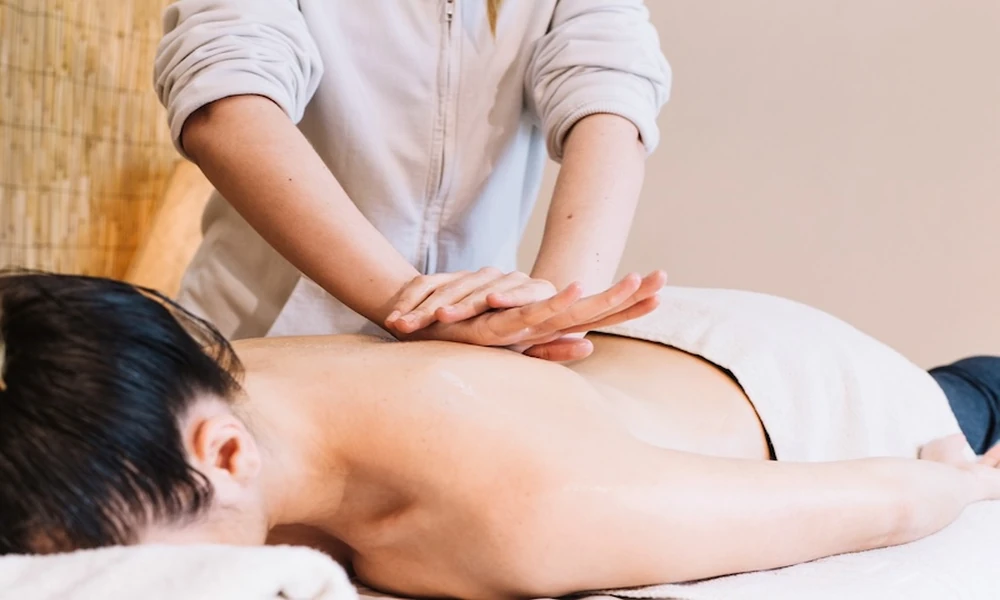
Massage therapy has long been associated with relaxation, but therapeutic massage can also play a role in supporting physical recovery, mobility, and everyday comfort. Medical massage in NYC generally refers to a targeted approach that focuses on specific physical concerns rather than relaxation alone, often using techniques selected around an individual’s condition, movement patterns, or recovery goals.
What Is Medical Massage?
Medical massage is a therapeutic form of massage designed to address specific areas of discomfort, restricted movement, or soft-tissue dysfunction. Unlike a general relaxation massage, the session typically has a defined purpose and may focus on muscles, connective tissues, or other structures contributing to a person’s physical limitations.
A medical massage session may be incorporated into a broader rehabilitation or wellness plan. Physical therapy clinics, rehabilitation professionals, and massage therapists can use targeted manual techniques alongside other approaches to help patients work toward improved movement and physical function.
The exact techniques used depend on the individual’s needs. A practitioner may focus on areas such as the neck, shoulders, back, hips, or legs, while considering factors such as posture, activity level, previous injuries, and current mobility.
Medical massage is also different from simply applying more pressure during a massage. A therapeutic session is generally more focused on the relationship between soft-tissue tension, movement, and the person’s specific physical concerns.
Key Benefits of Medical Massage
One of the main reasons people explore medical massage in NYC is to support comfortable movement. When muscles and surrounding soft tissues become tense or restricted, everyday activities such as walking, exercising, sitting at a desk, or turning the neck can sometimes become more difficult.
Targeted massage may help reduce muscle tension and temporarily improve flexibility or range of motion. These effects can be particularly relevant for people whose physical discomfort is associated with repetitive activities, exercise, prolonged sitting, or other sources of muscular strain.
Another potential benefit is relaxation. Even when massage is performed for a therapeutic purpose, reducing excessive muscle tension can create a sense of physical ease. Relaxation may also complement other healthy habits, including adequate sleep, regular movement, and appropriate recovery between physical activities.
Medical massage can also be used as part of a larger physical rehabilitation strategy. For example, someone recovering from an injury may receive manual therapy alongside therapeutic exercises and movement education, depending on the recommendations of their healthcare or rehabilitation professional.
The benefits are not identical for everyone, however. The appropriate technique, duration, frequency, and treatment area depend on the person’s circumstances, which is why an individualized assessment is important.
How Medical Massage Works
Medical massage works primarily through targeted manual techniques applied to soft tissues such as muscles and surrounding connective tissue. Depending on the treatment objective, a practitioner may use techniques involving compression, kneading, stretching, or sustained pressure.
The goal is not necessarily to make every muscle feel sore after treatment. Instead, the practitioner may concentrate on areas where tension or soft-tissue restriction appears to be affecting movement or comfort.
For example, prolonged desk work can contribute to sustained positioning of the neck, shoulders, and upper back. A targeted massage approach may address muscular tension in those areas while a broader rehabilitation program focuses on posture, strengthening, mobility, and movement habits.
Athletes may have different needs. Repetitive training can place considerable demands on particular muscle groups, so massage may be incorporated into a recovery routine alongside appropriate rest, hydration, mobility work, and strength training.
Communication during treatment is important. People should tell their practitioner about areas of pain, sensitivity, previous injuries, medications, or other relevant health considerations so the approach can be adjusted appropriately.
Medical Massage in NYC: Common Applications
The large and active environment of New York City means people have many different reasons for seeking targeted massage therapy. Office workers may spend several hours each day sitting at a computer, while commuters and pedestrians may spend substantial time walking, standing, or traveling.
One common application is addressing muscular tension associated with prolonged sitting. The lower back, upper back, neck, and shoulders can become uncomfortable when the body remains in the same position for extended periods.
Another application is supporting recovery after physical activity. Recreational runners, gym participants, dancers, and other active individuals may use massage as one component of their recovery routines. It should complement rather than replace appropriate training, rest, and medical care when those are needed.
Massage may also be considered during rehabilitation for certain musculoskeletal conditions. In these situations, a practitioner may coordinate massage with other therapeutic approaches, such as mobility exercises or strengthening programs, to support a more comprehensive treatment plan.
People recovering from an injury should be especially mindful that massage is not appropriate for every condition or stage of recovery. Acute injuries, unexplained swelling, significant pain, certain medical conditions, and other circumstances may require evaluation by an appropriate healthcare professional before massage is considered.
Choosing Medical Massage in NYC
Choosing a practitioner involves more than finding a convenient appointment time. People should consider the practitioner’s qualifications, the type of concerns they address, their approach to assessment, and whether their services fit the individual’s goals.
A good starting point is to identify the reason for seeking treatment. Someone primarily interested in relaxation may have different priorities from someone dealing with persistent muscular tension or incorporating massage into a rehabilitation program.
It can also be useful to ask how the practitioner develops a treatment plan. A targeted approach should take the individual’s symptoms, activity level, relevant history, and movement needs into consideration rather than applying exactly the same routine to every client.
For people interested in medical massage in NYC as part of a broader physical therapy or recovery strategy, a multidisciplinary clinic can provide an opportunity to consider massage alongside other therapeutic services. Touch of Life Physical Therapy NYC, for example, provides information about its medical massage services and how this type of treatment can fit within a physical wellness setting.
Communication is another important consideration. Before treatment begins, clients should feel comfortable explaining what they are experiencing and asking what techniques will be used. During the session, they should also communicate if pressure becomes uncomfortable or if symptoms change.
Medical Massage vs. Other Massage Approaches
Medical massage and relaxation massage can overlap in some techniques, but their primary purposes are different. Relaxation massage generally emphasizes stress reduction and overall comfort, whereas medical massage is more specifically directed toward a physical concern or therapeutic objective.
Sports massage is another related approach. It is often associated with physically active people and may focus on muscle groups affected by training, competition, or repetitive activity. Medical massage can also address active individuals, but its use is not limited to athletes.
Physical therapy is broader still. Physical therapists may use manual therapy as one component of treatment, but physical therapy can also include therapeutic exercise, movement retraining, strengthening, balance work, and functional training.
These approaches are not necessarily competing choices. Depending on an individual’s circumstances, massage may complement other forms of care. The appropriate combination should be determined according to the person’s specific needs and, where appropriate, guidance from a qualified healthcare professional.
Frequently Asked Questions
Is medical massage different from a regular massage?
Yes. Medical massage is generally designed around a specific physical concern or therapeutic objective, while a regular relaxation massage typically emphasizes general comfort and stress reduction.
What can medical massage help with?
Medical massage may help address muscle tension, soft-tissue discomfort, and certain movement limitations. Its usefulness depends on the individual’s condition, treatment goals, and the techniques used.
How often should someone receive medical massage?
There is no universal schedule. Some people may benefit from occasional sessions, while others may incorporate massage into a short-term rehabilitation plan based on professional recommendations.
Is medical massage painful?
It should not be assumed that therapeutic massage needs to be painful to be effective. Some techniques can create noticeable pressure or temporary tenderness, but clients should communicate with the practitioner if treatment becomes excessively uncomfortable.
Can medical massage replace physical therapy?
Generally, no. Medical massage and physical therapy have different scopes, and physical therapy can involve exercises, movement training, and functional rehabilitation in addition to manual techniques.
Is medical massage suitable after an injury?
It depends on the injury and stage of recovery. Anyone with a significant, recent, or unexplained injury should obtain appropriate medical or rehabilitation guidance before receiving massage.
How long does a medical massage session take?
Session length varies by provider and treatment plan. A targeted session may focus on one or several areas rather than following the same full-body routine used in some relaxation massages.
Where can someone learn more about medical massage in NYC?
People can review the services offered by qualified local providers and ask about their techniques, practitioner qualifications, treatment goals, and whether the service is appropriate for their particular needs. Touch of Life Physical Therapy NYC is one example of a New York City physical therapy clinic that offers information about medical massage as part of its treatment services.

Comments are closed.