
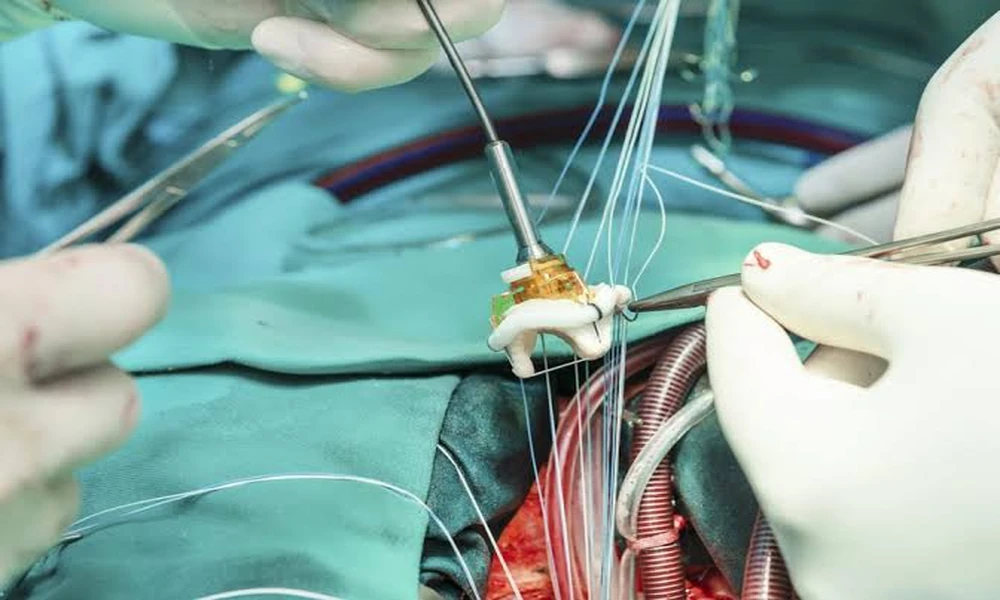
TAVI, or Transcatheter Aortic Valve Implantation, has become an important treatment for severe aortic stenosis. It replaces a narrowed aortic valve through a catheter rather than through conventional open-heart surgery. Because the procedure is less invasive, many patients naturally ask whether they can choose TAVI simply to avoid a major operation.
Patient selection is more careful than that. TAVI is recommended when valve replacement is needed and when the Heart Team believes a transcatheter approach offers an appropriate balance of safety, effectiveness and long-term value. The decision combines symptoms, valve severity, age, anatomy, other illnesses and future treatment needs.
The Starting Point: Severe Aortic Stenosis
The first requirement is usually a clear indication for aortic valve replacement. TAVI is primarily used for severe aortic stenosis, a condition in which the aortic valve becomes stiff and narrowed, restricting blood flow from the heart.
Echocardiography is used to measure the severity of stenosis and assess how the heart is responding. Symptoms such as breathlessness, chest discomfort, fainting, dizziness, unusual fatigue and reduced exercise capacity also influence treatment decisions.
A patient does not become a candidate for a TAVI procedure simply because mild or moderate valve narrowing is present. The severity of the disease and the expected benefit of intervention must first be established.
Age and Life Expectancy
Age is an important factor, but it is not a single cut-off that answers every case. Modern valve guidelines increasingly consider age together with estimated life expectancy and the patient’s lifetime treatment strategy.
Older adults with severe symptomatic aortic stenosis and suitable anatomy are commonly evaluated for TAVI. In these patients, avoiding the physical impact of open-heart surgery may provide meaningful advantages.
Younger patients require a different discussion. They may live long enough to need another valve intervention in the future, so durability, coronary access and the possibility of future valve-in-valve treatment become especially important.
Surgical Risk and Overall Health
TAVI was originally developed for people who were considered inoperable or at very high surgical risk. It is now used much more broadly, but surgical risk remains relevant.
Frailty, severe lung disease, kidney disease, previous stroke, liver disease and multiple medical conditions may make a large operation more difficult to tolerate. Previous cardiac surgery can also increase the complexity of another sternotomy.
However, being medically complex does not automatically mean TAVI is safe. Some conditions increase the risks of both surgery and transcatheter treatment. A TAVI specialist in Mumbai will therefore review the complete medical picture rather than relying on a simple “high-risk” label.
Anatomy Must Be Suitable
TAVI depends heavily on anatomy. CT imaging is used to measure the aortic valve, aortic root and blood vessels. The team also evaluates the height of the coronary arteries, calcium distribution and the size and condition of the arteries used for catheter access.
Most TAVI procedures are performed through the femoral artery in the groin. If those arteries are too small, severely calcified or significantly diseased, transfemoral access may not be possible.
Valve anatomy matters as well. Certain bicuspid valves, very heavy calcification or other structural features can make transcatheter treatment more complex. Suitability must therefore be confirmed with detailed imaging.
What If Other Heart Problems Are Present?
A patient may have severe aortic stenosis together with coronary artery disease, another valve problem or disease of the aorta. These additional conditions can change the preferred strategy.
For example, a patient who requires coronary bypass surgery or another major cardiac operation may be better served by surgical valve replacement during the same procedure. In other situations, coronary treatment and TAVI can be planned in a staged or combined way.
This is one reason why evaluation by experienced heart specialists in Mumbai is useful for complex valve cases. The decision is about the whole heart, not only the aortic valve.
Previous Heart Surgery
Patients who have already undergone bypass surgery or surgical valve treatment may be considered for TAVI because reopening the chest can be technically demanding. Scar tissue and existing bypass grafts may increase surgical complexity.
For patients with a failing biological surgical valve, a valve-in-valve transcatheter procedure may sometimes be considered. The anatomy of the existing prosthesis, coronary arteries and surrounding structures must be assessed carefully before such treatment.
Patient Preference Matters
Good valve care includes the patient’s goals and preferences. Recovery time, independence, work, family support and willingness to undergo a major operation are all relevant considerations.
Preference does not replace medical suitability, but it should be part of shared decision-making. Doctors should explain why one treatment is being recommended, what the alternatives are and how each option may affect future choices.
When Might Surgery Still Be Better?
Surgery may be preferred for younger patients, people with anatomy that is less favourable for TAVI, patients who require additional heart surgery or situations in which long-term surgical durability is particularly important.
A less invasive procedure is not automatically the better procedure. The most appropriate treatment is the one that fits the patient’s current disease and long-term needs.
The Bottom Line
A TAVI candidate is not defined by age alone, surgical risk alone or a desire to avoid open-heart surgery. Candidacy is established by confirming severe valve disease and then assessing anatomy, symptoms, health, life expectancy, future treatment options and patient preference.
The strongest decisions come from a multidisciplinary Heart Team that can compare transcatheter and surgical approaches objectively. For patients with severe aortic stenosis, this structured evaluation helps determine whether TAVI offers the right balance of lower procedural trauma and durable, effective valve treatment.

Comments are closed.