
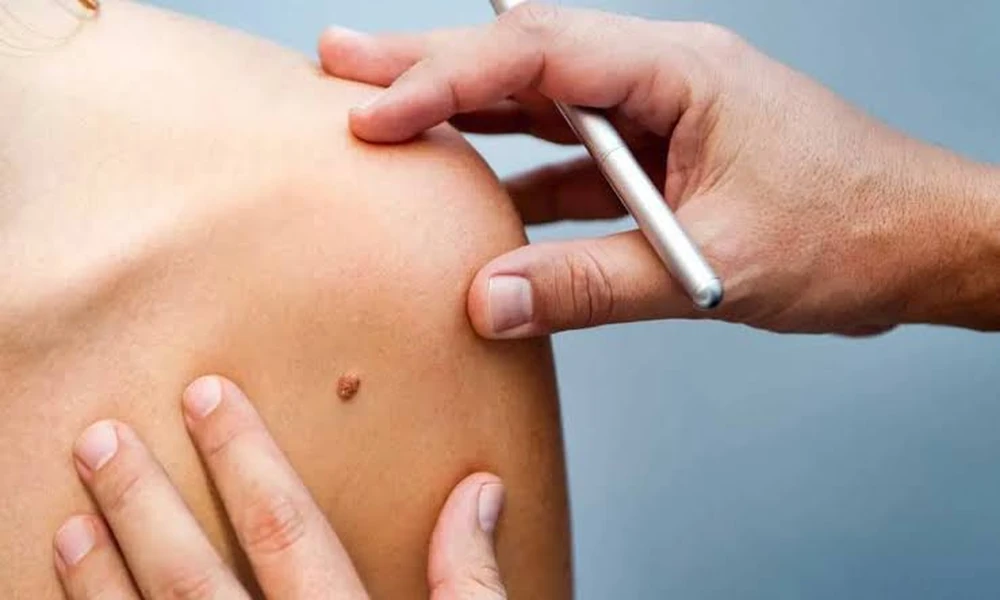
Small skin growths are something many people notice at some point, particularly in areas where the skin folds or experiences regular rubbing. Skin Tag Treatment Birmingham can be relevant for individuals who want a troublesome growth assessed or removed, but understanding its characteristics and the reason for treatment is an important part of making an informed healthcare decision.
What Makes Skin Tags Different from Other Skin Growths?
A skin tag is typically a soft, fleshy growth that projects from the skin. It may have a narrow base or appear attached through a slightly wider area. Most skin tags are harmless and do not cause significant symptoms, although their appearance and size can vary.
They can be confused with other types of skin growths because several conditions may appear as small, raised areas on the skin. Warts, moles, cysts, and other lesions have different characteristics and may require different forms of assessment or management. For this reason, identifying an unfamiliar growth accurately is more important than assuming what it is based on appearance alone.
Neck areas, armpits, eyelids, groin regions, and other skin folds are frequent locations for skin tags. Their development is often associated with repeated contact between nearby skin surfaces or friction from clothing.
Common Reasons People Seek Treatment
A skin tag does not necessarily need to be removed simply because it exists. However, treatment may become a consideration when the growth repeatedly catches on clothing, jewellery, or other objects. Friction can leave the area irritated and, in some circumstances, cause discomfort or minor bleeding.
Cosmetic concerns can also influence the decision to seek treatment. A growth in a noticeable location may make an individual feel self-conscious about its appearance. Others may prefer removal because a particular skin tag interferes with everyday activities.
The reason for treatment can therefore differ from person to person. A healthcare professional can discuss the circumstances and explain whether removal is suitable.
Medical Assessment Before Treatment
An examination before treatment provides an opportunity to confirm the nature of the growth. The clinician can consider its size, colour, texture, position, and general appearance before discussing management.
Particular attention may be appropriate if a growth has recently changed. Alterations in size, colour, shape, or texture, along with unexplained bleeding or persistent pain, should not simply be assumed to be normal features of a skin tag. Professional evaluation can help determine whether further investigation is needed.
This assessment also gives patients an opportunity to discuss previous skin problems, medications, allergies, and any concerns about the proposed procedure.
Available Approaches to Skin Tag Management
The method used to manage a skin tag depends on its characteristics and location. Professional options can include removal with medical instruments, freezing techniques, or procedures that apply controlled heat to the growth.
A clinician can explain the selected approach before treatment, including what the procedure involves and what patients may experience afterward. The number of growths being addressed and their location can also affect how treatment is planned.
Home removal is not advisable. Cutting a growth or applying unverified substances can result in unnecessary bleeding, infection, irritation, or scarring. Professional assessment also helps avoid treating a growth that has not been correctly identified.
Important Aftercare and Safety Considerations
The treated area may look or feel different for a short period following removal. Mild tenderness, redness, swelling, or sensitivity can occur depending on the technique used and the individual’s healing response.
Aftercare instructions should be followed carefully. Keeping the area clean, limiting unnecessary rubbing, and avoiding picking or scratching the healing skin can help protect the treated site.
Patients should remain attentive to unexpected changes during recovery. Increasing discomfort, substantial swelling, persistent redness, unusual discharge, or other concerning symptoms should be brought to the attention of a healthcare professional.
Taking time to understand the growth, its assessment, available management approaches, and appropriate aftercare can help patients approach treatment with practical expectations while keeping skin health at the centre of the process.

Comments are closed.