Category

Skin Care

Category

Most problems after laser treatment trace back to what happened in the fortnight before it, not to the session itself. Skin arriving sun-exposed, recently treated with active products, or already irritated responds differently and carries more risk of pigmentary change, which is the complication patients most want to avoid in the first place. The preparation is straightforward and depends on starting early enough to matter. Five steps cover what makes the difference before and after Pico laser treatment in Singapore, and all of them should be confirmed against the specific instructions your own clinic provides, since protocols vary with the device, the setting, and your skin.

1. Avoid Sun Exposure in the Weeks Before Treatment

This is the most important step and the one most commonly underestimated. Recently tanned or sun-exposed skin changes how the treatment behaves and increases the risk of unwanted pigmentary change afterward.

Clinics generally advise avoiding deliberate sun exposure for a period before treatment and using broad-spectrum sun protection consistently in the meantime. If you have a beach holiday, an outdoor event, or any period of significant exposure coming up, mention it when booking rather than arriving and hoping it goes unnoticed, since rescheduling is considerably better than proceeding on unsuitable skin.

2. Pause Active Skincare Products on Your Doctor’s Advice

Retinoids, acids, and other active ingredients can leave skin more sensitive, and clinics typically advise stopping them for a defined period beforehand.

Bring your actual products to the consultation rather than describing them, since ingredient lists matter and people frequently do not know what is in a product they use daily. Your aesthetic doctor in Singapore will advise which to pause and for how long, and following that properly reduces the chance of an exaggerated reaction during the session.

3. Disclose Medications, Supplements, and Medical History Fully

Certain medications increase photosensitivity, and some conditions affect suitability or healing. Any history of cold sores matters particularly where treatment is near the mouth, since treatment can sometimes trigger an outbreak and clinics may recommend preventive measures.

Bring a complete list including anything taken irregularly. Mention any history of keloid scarring, recent cosmetic procedures, pregnancy, or skin conditions in the treatment area.

4. Plan the Timing Around Your Schedule Realistically

Redness, mild swelling, and a sunburn-like sensation are common afterward, with duration varying by individual, area, and settings used. Some patients experience darkening of pigmented areas before they clear, which is an expected part of the process and alarming if nobody mentioned it.

Ask what to expect and for how long, then schedule accordingly. Avoid booking shortly before a wedding, a photoshoot, or an important presentation, and allow a full recovery cycle plus margin before any event where appearance matters.

5. Prepare Your Aftercare Before the Appointment

Have what you need at home already: a gentle cleanser, the moisturiser recommended, and broad-spectrum sun protection you will actually use daily.

Sun protection after treatment is not optional and is where results are most often compromised. Treated skin is more vulnerable to pigmentary change, and inconsistent protection in the weeks afterward can undo the benefit entirely.

Following the Clinic’s Instructions Rather Than General Advice

Protocols differ between clinics and between treatments, and the instructions you are given take precedence over anything described generally. Ask for them in writing, ask what is normal and what would warrant contacting the clinic, and establish who you reach outside consultation hours.

Any increasing pain, blistering, spreading redness, discharge, or fever warrants prompt contact with the clinic and medical attention rather than waiting for a scheduled review. Nothing here is medical advice, and what applies to you depends on assessment by a qualified doctor who can evaluate your skin and history.

Contact Dr Valentin Low to discuss preparation, expected recovery, and aftercare for your specific treatment and skin type.


Image Recommendation: A doctor during a consultation gently examining the under-eye area of a seated patient under clinical lighting, with a hand mirror on the table nearby.

Eye bags get treated as one problem with one fix, as though every puffy or hollow under-eye area would respond the same way to the same filler. In practice, the area under the eye can look similar for two quite different reasons, and the two don’t necessarily call for the same approach. One is a loss of volume that leaves the area looking hollow and shadowed; the other is a shift in the fat pads that sit under the eye, making the area look puffy rather than hollow. Telling the two apart matters more than most people expect before any treatment decision gets made.

Two Different Causes Can Look Almost Identical

Hollowing under the eye usually comes from volume that’s been lost over time in the skin, fat, or supporting tissue of the tear trough area, which leaves a shadowed groove rather than a smooth transition between the lower eyelid and the cheek. A consultation for eye filler for eye bags typically starts by working out which pattern is actually present, since the two causes don’t respond to the same approach, and an assessment by a doctor is what determines which, if either, is suitable for a particular case.

When the Cause Isn’t Really About Volume at All

The other common cause is a shift or bulge in the fat pads that normally sit behind the eye socket, pushing forward against thinner skin and showing up as a puffy ridge rather than a shadowed hollow. Adding volume with filler to an area where the underlying issue is a fat pad pushing outward can, in some cases, make the area look more prominent rather than less, which is part of why a personalised assessment matters here more than in many other areas treated with filler. Where this pattern is identified, a doctor may discuss a different approach entirely, rather than defaulting to filler simply because it’s the more commonly searched term.

The Area Just Below Doesn’t Work in Isolation

The tear trough doesn’t sit apart from the rest of the midface, and volume lost in the cheek area can make an under-eye hollow look more pronounced than the same amount of under-eye volume loss would on its own. For some individuals, a doctor may discuss face filler placed in the midface or cheek as part of assessing the under-eye area, rather than treating the under-eye region as a separate, self-contained concern. Whether that’s relevant for a particular face is something worked out during consultation, not assumed beforehand.

A Consultation Covers More Than a Quick Look

A consultation typically includes a visual assessment of the under-eye area, a discussion of medical history, and an explanation of which pattern, hollowing, fat pad changes, or a mix of both, appears to be present. Topical anaesthesia is usually available for anyone concerned about discomfort during the procedure itself, and a doctor will usually go through what can reasonably be expected, and what can’t, before anything is scheduled. Suitability is assessed on an individual basis, and not everyone who books a consultation for under-eye concerns turns out to be a suitable candidate for filler specifically. Questions about how long an earlier treatment lasted, whether any previous filler was placed in the area, and what a person is hoping to see change are all typically part of that same conversation, since the answers shape which pattern is more likely before the physical assessment even starts.

A Rough Way to Tell the Two Apart Before a Consultation

What it looks like More often associated with
A shadowed groove that’s more noticeable when tired Volume loss/hollowing
A puffy ridge that’s present even when well-rested Fat pad changes
Appears as a distinct bulge rather than a shadow Fat pad changes

These are general patterns rather than a diagnosis, since the two can also occur together, and a doctor’s assessment at consultation is what actually determines which is present in a given case.

None of this means filler is the wrong choice for most people looking into it; hollowing from volume loss is a common finding at consultation. It just means the under-eye area is one where an accurate read on the underlying cause matters as much as the choice of product, since the right approach for one cause isn’t necessarily the right one for the other, and getting that read right at the start is what the rest of the consultation is actually built around.

A consultation is where hollowing and fat pad changes actually get told apart, rather than assumed from a mirror at home. Contact Illumia Medical to arrange an assessment.

Essential Highlights at a Glance

  • A gua sha facelift uses gentle facial scraping along meridians to promote circulation, lymphatic drainage, and natural contouring without invasive procedures.
  • Ensure your therapist is experienced in traditional techniques adapted to modern skincare needs.
  • Choose treatments tailored to your unique skin type, whether addressing sagging skin, puffiness, or fine lines.
  • Proper post-treatment care maximises results and preserves skin health.

Unveiling the Power of Facial Scraping

Non-invasive skin treatments have surged in popularity across Singapore, with many seeking natural methods to restore youthfulness and radiance. Among these, the gua sha facelift stands out as a time-tested approach rooted in Traditional Chinese Medicine (TCM). By utilising smooth-edged tools to glide across pressure points, this therapy stimulates blood circulation, eases tension, and encourages fluid movement beneath the skin.

However, not all facial treatments are created equal. Booking a session without understanding what to expect can lead to unsatisfactory results or skin discomfort. To help you make an informed decision, here are four essential questions to ask before booking a gua sha massage in Singapore.

How Does a Gua Sha Facelift Differ from Standard Facials?

Before reserving an appointment, it is crucial to understand how this therapy differs from conventional skin treatments. Standard facials often focus on surface exfoliation, extractions, or topical hydration. In contrast, a gua sha facelift works deeper by targeting facial muscles, fascia, and lymphatic channels.

Using precise, controlled strokes, the treatment releases built-up facial tension and facilitates fluid movement. This process helps relieve facial puffiness, define contours, and provide subtle natural lifting. Inquiring about the specific mechanics of the session ensures that your aesthetic goals align with the benefits this traditional therapy offers.

What Qualifications and Experience Do Your Therapists Have?

The effectiveness of facial scraping relies heavily on the therapist’s skill and understanding of facial anatomy. Applying improper pressure or using incorrect angles can lead to bruising or unnecessary irritation, especially around sensitive areas like the eyes.

When looking for a gua sha massage in Singapore, ask about the credentials and training of the team. Skilled therapists combine traditional wisdom with modern skincare techniques. They are trained to adjust pressure according to individual skin sensitivity, ensuring a calming and effective session every time.

Is the Gua Sha Facelift Customised to My Specific Skin Concerns?

Every individual has unique skincare requirements. Whether you are dealing with sagging skin, persistent puffiness, fine lines, or congestion, a one-size-fits-all approach is rarely effective. Ask the studio if they tailor the session to your specific skin condition.

A thoughtful consultation should precede the treatment to assess your skin’s current state. For example, treatments targeting the delicate eye area may incorporate specialised lymphatic drainage techniques, whereas treatments aimed at cheek or jawline contouring focus on deeper tissue work. Understanding how the service is customised helps guarantee optimal outcome and comfort.

What Aftercare Routine Should I Follow to Maintain Results?

Post-treatment care is vital for preserving the refreshing benefits of your session. Ask your practitioner about the recommended aftercare steps and potential temporary side effects, such as mild redness from increased circulation.

Usually, staying hydrated after a session helps support the natural flushing of toxins through the lymphatic system. Your therapist may also recommend avoiding harsh active ingredients immediately after treatment and suggest gentle moisturising to keep skin plump and glowing. Following expert advice ensures long-lasting results between appointments.

Final Thoughts on Your Skincare Routine

A gua sha facelift offers a soothing and effective way to achieve a revitalised, lifted appearance without aggressive procedures. By asking the right questions about technique, therapist expertise, treatment customisation, and aftercare, you can confidently choose a service that aligns with your wellness goals.

Contact us at Glow Haven Aesthetics And Wellness today to book your consultation and experience the natural revitalising benefits of an expert gua sha massage in Singapore.

Long-term skin health depends on more than occasional attention. Daily habits, environmental exposure, lifestyle factors, and changes that occur over time can all influence how the skin looks and feels. Professional skincare can complement everyday care by providing a more structured approach to maintaining the skin and responding to changing needs. While online searches may bring up many different topics, Forever Young Sarasota can appear in skincare-related information alongside broader discussions about maintaining healthy-looking skin over time.

Understanding Long-Term Skin Health

Healthy skin benefits from consistent care that supports its natural protective functions. Cleansing, moisturising, sun protection, adequate hydration, and balanced lifestyle habits can all contribute to maintaining the skin’s condition.

Long-term skin health also involves paying attention to changes rather than focusing only on immediate cosmetic concerns. Dryness, sensitivity, uneven texture, pigmentation, and other changes can develop gradually. Recognising these changes early can help individuals adjust their skincare routines appropriately.

Professional assessments can provide another perspective by examining the skin more closely and identifying areas that may require additional attention. This can help create a more informed approach to ongoing skincare.

How Skin Needs Change With Age

Skin does not remain the same throughout life. As people age, natural changes can affect moisture levels, elasticity, texture, and overall appearance. The skin may become drier, and its ability to recover from environmental stress can change.

Sun exposure accumulated over the years can also contribute to visible changes, including uneven pigmentation and differences in texture. Hormonal changes may further influence oil production, sensitivity, and hydration.

Because these factors can vary considerably between individuals, a skincare routine that worked well earlier in life may not provide the same results later. Reviewing skincare needs periodically can help ensure that daily care remains appropriate.

The Role of Professional Skincare Treatments

Professional skincare treatments can provide focused care that complements a person’s regular routine. Depending on individual needs, professional services may address concerns related to skin texture, hydration, pigmentation, or overall appearance.

A professional can assess the current condition of the skin and discuss which treatments may be appropriate. This assessment is particularly useful when skin needs have changed or when existing products are no longer providing the desired level of support.

Professional treatments can also provide an opportunity to review skincare habits and identify areas where adjustments may be beneficial. Consistency remains important, as long-term skin health generally develops through ongoing care rather than isolated appointments.

Combining Treatments With Daily Skincare

Professional treatments work most effectively as part of a broader skincare routine. Daily cleansing, moisturising, and sun protection can help maintain the skin between professional appointments.

Following appropriate aftercare instructions is also important. Some treatments may temporarily affect the skin’s sensitivity or appearance, making specific post-treatment care necessary. Using products recommended for the individual’s skin condition can help support the recovery process.

A balanced approach avoids relying exclusively on professional treatments while also recognising the value of specialised skincare services when appropriate.

Building a Consistent Skin Maintenance Routine

A sustainable skincare routine should be practical enough to follow regularly. Simple habits performed consistently can provide a stronger foundation than a complicated routine that is difficult to maintain.

Regular professional assessments can complement these habits by providing opportunities to review changes and adjust care when necessary. Seasonal changes, lifestyle differences, and natural ageing may all create reasons to reconsider existing skincare practices.

Long-term skin health is supported by patience and consistency. Combining everyday protection with professional guidance can help individuals respond to changing skin needs while maintaining a routine that remains practical over time.

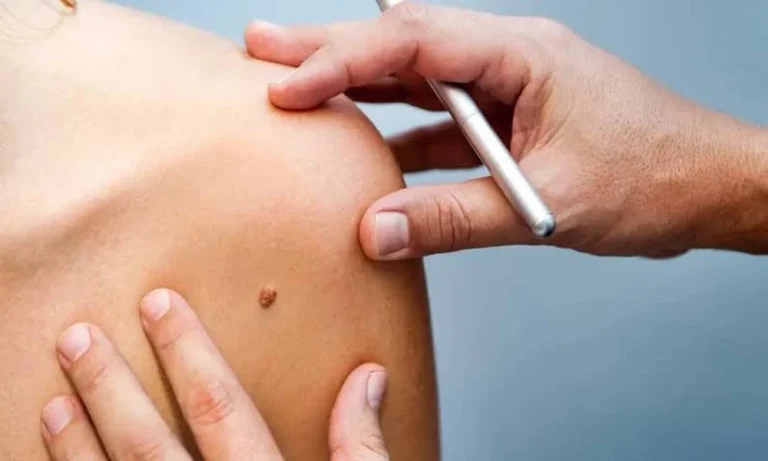
Small skin growths are something many people notice at some point, particularly in areas where the skin folds or experiences regular rubbing. Skin Tag Treatment Birmingham can be relevant for individuals who want a troublesome growth assessed or removed, but understanding its characteristics and the reason for treatment is an important part of making an informed healthcare decision.

What Makes Skin Tags Different from Other Skin Growths?

A skin tag is typically a soft, fleshy growth that projects from the skin. It may have a narrow base or appear attached through a slightly wider area. Most skin tags are harmless and do not cause significant symptoms, although their appearance and size can vary.

They can be confused with other types of skin growths because several conditions may appear as small, raised areas on the skin. Warts, moles, cysts, and other lesions have different characteristics and may require different forms of assessment or management. For this reason, identifying an unfamiliar growth accurately is more important than assuming what it is based on appearance alone.

Neck areas, armpits, eyelids, groin regions, and other skin folds are frequent locations for skin tags. Their development is often associated with repeated contact between nearby skin surfaces or friction from clothing.

Common Reasons People Seek Treatment

A skin tag does not necessarily need to be removed simply because it exists. However, treatment may become a consideration when the growth repeatedly catches on clothing, jewellery, or other objects. Friction can leave the area irritated and, in some circumstances, cause discomfort or minor bleeding.

Cosmetic concerns can also influence the decision to seek treatment. A growth in a noticeable location may make an individual feel self-conscious about its appearance. Others may prefer removal because a particular skin tag interferes with everyday activities.

The reason for treatment can therefore differ from person to person. A healthcare professional can discuss the circumstances and explain whether removal is suitable.

Medical Assessment Before Treatment

An examination before treatment provides an opportunity to confirm the nature of the growth. The clinician can consider its size, colour, texture, position, and general appearance before discussing management.

Particular attention may be appropriate if a growth has recently changed. Alterations in size, colour, shape, or texture, along with unexplained bleeding or persistent pain, should not simply be assumed to be normal features of a skin tag. Professional evaluation can help determine whether further investigation is needed.

This assessment also gives patients an opportunity to discuss previous skin problems, medications, allergies, and any concerns about the proposed procedure.

Available Approaches to Skin Tag Management

The method used to manage a skin tag depends on its characteristics and location. Professional options can include removal with medical instruments, freezing techniques, or procedures that apply controlled heat to the growth.

A clinician can explain the selected approach before treatment, including what the procedure involves and what patients may experience afterward. The number of growths being addressed and their location can also affect how treatment is planned.

Home removal is not advisable. Cutting a growth or applying unverified substances can result in unnecessary bleeding, infection, irritation, or scarring. Professional assessment also helps avoid treating a growth that has not been correctly identified.

Important Aftercare and Safety Considerations

The treated area may look or feel different for a short period following removal. Mild tenderness, redness, swelling, or sensitivity can occur depending on the technique used and the individual’s healing response.

Aftercare instructions should be followed carefully. Keeping the area clean, limiting unnecessary rubbing, and avoiding picking or scratching the healing skin can help protect the treated site.

Patients should remain attentive to unexpected changes during recovery. Increasing discomfort, substantial swelling, persistent redness, unusual discharge, or other concerning symptoms should be brought to the attention of a healthcare professional.

Taking time to understand the growth, its assessment, available management approaches, and appropriate aftercare can help patients approach treatment with practical expectations while keeping skin health at the centre of the process.

Experiencing an itchy, tight, or flaking scalp is a common concern that can disrupt your daily comfort and confidence. In Singapore, many individuals assume that hot and humid weather naturally keeps the skin hydrated, making scalp dryness surprising when it occurs. However, air-conditioned indoor environments, environmental exposure, and daily grooming habits frequently strip the scalp of its natural protective oils. Before seeking a professional scalp treatment for dry scalp, reviewing your everyday routine can help you identify simple triggers that exacerbate irritation and moisture loss.

Daily Routine Check: Assessing Your Scalp Care Habits

Evaluating your everyday hair washing and styling choices helps pinpoint habits that strip essential moisture from your skin.

  • Water Temperature: Do you wash your hair with hot water during evening showers?
  • Washing Frequency: Are you washing your hair multiple times a day due to outdoor humidity?
  • Product Ingredients: Does your current shampoo contain harsh sulfates or strong artificial fragrances?
  • Heat Styling Tools: Do you hold high-heat blow dryers directly against your scalp to dry your roots quickly?

1. Washing Hair with Excessively Hot Water

Taking a hot shower after a long day at work or a workout can feel relaxing, but high water temperatures remove the natural lipid barrier protecting your scalp. Hot water strips away sebum-the natural oil produced by hair follicles-leaving the skin beneath your hair exposed, tight, and vulnerable to irritation.

Switching to lukewarm or cool water when rinsing your hair helps preserve this protective layer. Lowering the water temperature seals hair cuticles and prevents unnecessary moisture evaporation, reducing post-shower tightness and itchiness.

2. Over-Washing Due to Humid Weather

Living with humidity often creates the urge to wash hair frequently to remove sweat, oil, and environmental pollution. While keeping hair clean is essential, washing your hair multiple times a day with strong cleansing shampoos can backfire completely.

Excessive cleansing strips away beneficial oils faster than the body can replenish them, causing the skin to overcompensate or become severely dehydrated. For those living with a dry scalp in Singapore, limiting full shampoo washes to once daily or every other day allows the skin barrier to stabilise and maintain balanced hydration levels.

3. Using Shampoos with Harsh Sulfates and Synthetic Fragrances

The hair products sitting on your shower shelf play a significant role in your scalp’s moisture balance. Many commercial shampoos rely on strong chemical detergents, such as sodium lauryl sulfate (SLS), to create rich lather. These ingredients strip dirt effectively but can be overly aggressive on sensitive skin.

Additionally, heavy synthetic perfumes and alcohol-based styling products can trigger contact irritation, leading to localised flaking and redness. Choosing gentle, sulfate-free shampoos formulated with soothing ingredients helps cleanse the scalp without compromising its natural moisture barrier.

4. Direct and Frequent High-Heat Blow Drying

Reaching for a high-heat blow dryer right after a shower is a standard routine for many, especially when getting ready in a hurry. However, directing extreme heat directly onto wet scalp skin strips away bound water molecules from the epidermis, leaving the scalp cracked and dry.

To protect your skin, hold the blow dryer at least 15 to 20 centimeters away from your head, use a medium or cool air setting, and move the nozzle constantly rather than focusing heat on a single spot. Air-drying hair partially before using low heat minimises thermal damage to both hair strands and the scalp.

5. Spending Prolonged Hours in Air-Conditioned Workspaces

Many Singaporeans spend eight to ten hours a day working in strongly air-conditioned offices, commercial buildings, or vehicles. Cold, dehumidified air steadily draws moisture out of exposed skin, including the scalp, leading to dehydration over time.

While you may not be able to adjust office climate controls, staying consistently hydrated by drinking water throughout the day helps counteract environmental moisture loss. Integrating lightweight, leave-in scalp hydration serums can also provide a protective moisture shield against dry indoor air.

Restoring Balance to Your Scalp

Managing a dry scalp begins with paying attention to how your daily environment and grooming habits affect skin health. By adjusting shower temperatures, selecting milder hair products, and protecting your skin from direct heat and dry air, you create a healthy foundation for lasting moisture balance.

Contact Bio Organicare Scalp to schedule a personalised consultation and explore suitable care options tailored to your scalp’s unique needs.