
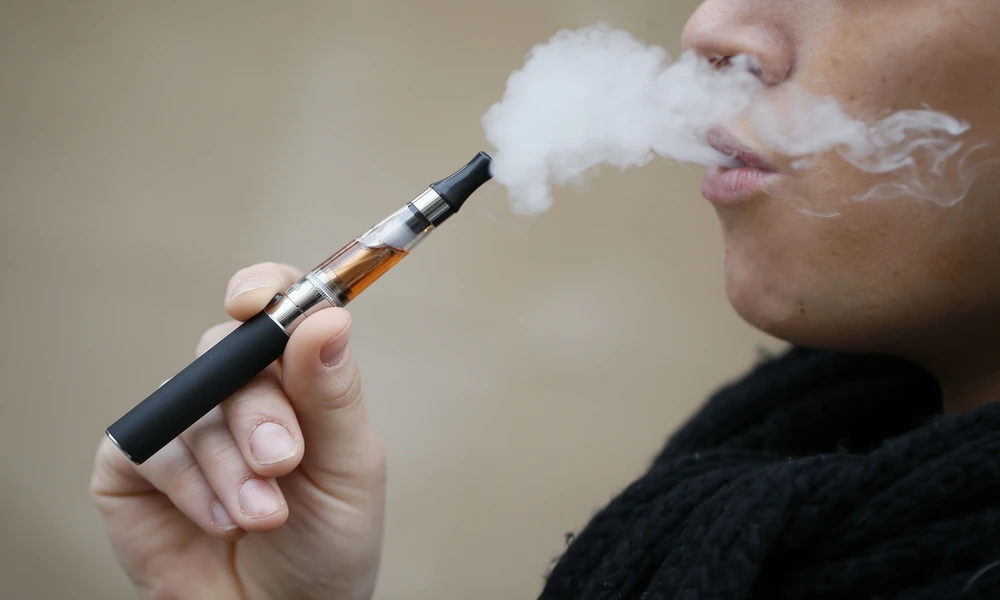
A rechargeable disposable vape contains a battery that accepts a charge through a USB connection, allowing the device to continue operating after the initial charge depletes rather than becoming unusable at that point. Standard disposable devices combine a fixed battery and a sealed e-liquid supply into one unit, where the entire device reaches the end of its use when either the battery or the liquid runs out first. Rechargeable Disposable Vape formats sit between these two categories, carrying the sealed prefilled convenience of a disposable while adding the battery recharge capability that extends usable life beyond a single charge cycle.
Battery design contrast
Standard disposable batteries are sealed non-rechargeable cells that deliver charge from first use until depletion, at which point the cell has no mechanism for restoring stored energy. Cell capacity in a standard disposable is sized to roughly match the e-liquid volume inside the device, with both expected to run out within a similar timeframe during normal use.
Rechargeable disposable batteries contain a USB charging port built into the device body, typically at the base. Connecting to a USB power source restores cell charge without opening the device or accessing any internal components. Cell capacity in a rechargeable disposable format is often higher than in a standard disposable of similar physical dimensions because the ability to recharge allows the manufacturer to size liquid volume independently from battery capacity.
- Standard disposable batteries deplete without any mechanism for restoring stored charge.
- Rechargeable disposable batteries accept USB charge input through a port built into the device base.
- Cell capacity in rechargeable formats is sized independently from liquid volume due to recharge capability.
- A USB charging port on a rechargeable disposable is the primary physical distinction from a standard disposable body.
Liquid volume access
Standard disposables combine battery depletion and liquid depletion into a single endpoint. When the battery dies before the liquid runs out, the remaining e-liquid inside the sealed device becomes inaccessible. When the liquid runs out before the battery, the remaining battery charge goes unused. Both scenarios result in some portion of either resource being left when the device reaches its endpoint.
Rechargeable disposable formats address the battery side of this by allowing the cell to be topped up when the charge depletes, while liquid remains inside. A user who runs the battery flat before the liquid runs out can recharge and continue drawing from the same device until the liquid supply is fully used. Battery and liquid run on separate schedules that the user manages independently, rather than accepting a fixed combined endpoint.
Physical format comparison
Both standard and rechargeable disposable formats share the same sealed external casing style. Neither format has a removable pod, a refillable tank, or any user-accessible internal component beyond the charging port on the rechargeable variant. Device body dimensions across both formats stay within compact ranges suited to pocket carry and daily use without accessories.
Rechargeable disposable devices carry a USB port integrated into the base or side of the sealed housing. This port is the only external difference visible between the two formats in most cases. Internal construction differs at the battery level, but external handling, draw activation, and sealed prefilled liquid supply remain consistent across both formats during normal daily use.

Comments are closed.