
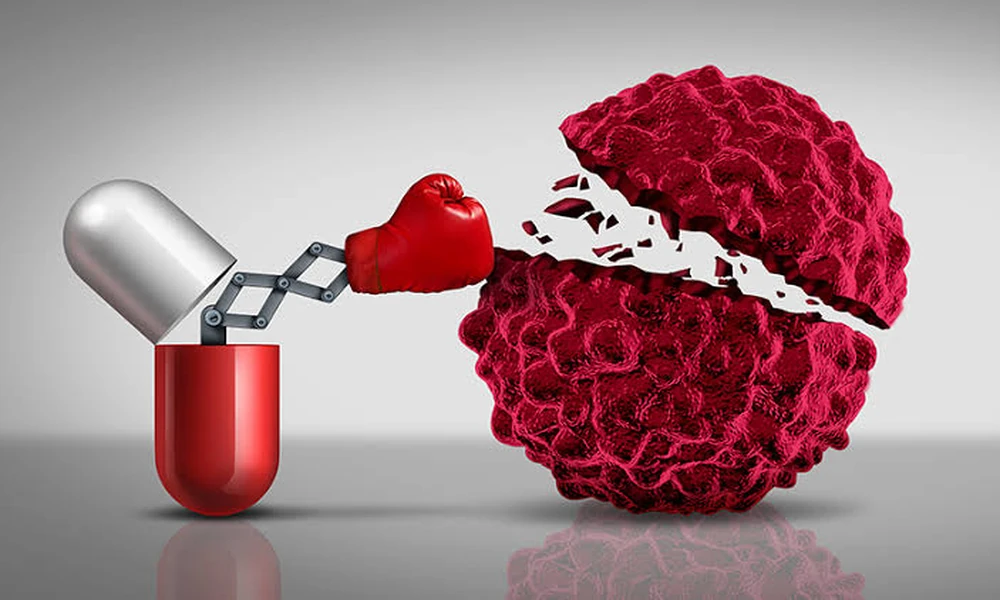
Drug-defiant tumors operate through defined molecular instructions that determine exactly how each cell survives treatment, and new research is cracking those instructions by reading resistance at single cell resolution across genetic, protein, and structural levels simultaneously. Drug resistant tumor molecular research linked to Lisa Porter focuses on active biological programs that emerge within distinct cell populations.
Single cell mapping finds clones
Single-cell sequencing research linked to Lisa Porter maps the genetic identity of individual tumour cells, showing how different clones coexist within the same sample, which resistance alterations distinguish each population, and which cells remain capable of surviving treatment and driving tumour regrowth. That map is what makes pre-treatment intervention in the resistant clone possible rather than reactive.
Pre-treatment single cell data from refractory tumour biopsies identifies minor clones carrying bypass mutations at frequencies too low for standard sequencing to detect, clones that are present before therapy begins and expand into dominance after treatment eliminates the sensitive population around them. Identifying those clones before treatment directly informs combination strategies that target the dominant clone and its most likely resistant successor simultaneously, removing the selection advantage that allows the minor clone to take over after monotherapy clears the field.
Proteomics catches hidden resistance
Proteomic profiling directly measures which proteins are present and active in resistant cells, catching resistance mechanisms that operate after transcription is complete and that genetic sequencing misses entirely because the resistance is not encoded in the DNA sequence but in what the cell does with it after the gene is read.
- Kinase activation states in resistant cells differ from those in sensitive ones despite identical gene expression profiles, showing defiance operating at the signalling level that genomic tools cannot reach.
- Protein degradation rate shifts in drug-exposed cells stabilise resistance-associated proteins beyond what transcript levels predict, maintaining resistance signalling after the gene driving it appears inactive by sequencing.
- Surface receptor protein modifications directly reduce drug binding affinity by altering the three-dimensional shape of the binding site without changing the gene sequence or expression level of the receptor itself.
Structural imaging guides drug redesign
Atomic resolution imaging of resistance-associated proteins directly shows how resistance mutations alter the three-dimensional shape of drug binding sites and why existing compounds can no longer engage them, producing the exact structural data that next-generation drug synthesis uses to build compounds shaped for the mutated site rather than the original configuration the first drug was designed for.
Resistance mutations in drug targets frequently shift a single amino acid that repositions the binding pocket entry point, reducing drug access without eliminating the target protein’s own function. Atomic imaging of those mutated pockets captures the exact geometry change at the point of entry, and compounds synthesised with modified geometries matching that change restore binding affinity to resistance mutant targets in early phase trial populations where prior generation drugs had lost measurable activity. That direct line from imaged mutation to redesigned compound to recovered clinical activity is what makes structural imaging a research tool that produces actionable drug candidates rather than descriptive data about why resistance occurs.
New research cracks drug-defiant tumours by reading resistance at every biological layer where it operates. Single-cell sequencing identifies resistant clones before they dominate, proteomics catches defiance running below the genomic level, and structural imaging of resistance mutations converts altered binding sites directly into next-generation drug designs, each layer removing one more mechanism drug-defiant tumours use to survive treatment.

Comments are closed.