Category

Dental Care

Category

1. IMPROVED STABILITY AND SECURITY

To remain in place, traditional dentures rely on adhesive or suction and rest on the gums. If the wearer speaks or chews, then it might shift or slip. Implant-supported dentures, in contrast to the traditional ones, are strongly attached to the dental implants embedded in jawbones. A high level of stability is provided by the anchoring system, enabling daily activities without the fear of losing dentures. For the lower arch, enhanced stability is very important. Due to the tongue motion every day and the mandible (lower jawbone), traditional dentures often struggle to remain secure.

2. MORE EFFICIENT CHEWING ABILITY

It is often hard to chew due to traditional dentures. Bitting power is reduced and can be unstable by making it difficult to eat some foods. This leads to the need to avoid certain foods and may cause nutritional deficiencies. Natural biting force can be restored by implant-supported dentures. A wide variety of foods can be enjoyed, including crunchy and tough items that would be off limits otherwise. Digestion and overall health are supported by improvement in chewing. This enables individuals to consume a nutrient-rich, healthy diet.

3. PRESERVES JAWBONE HEALTH

Bone resorption in the jaw can be caused by extensive tooth loss because of the absence of stimulation that is normally provided by natural tooth roots from everyday oral function. This issue is not addressed by traditional dentures, as they rest on the gums. This accelerates bone loss over time. This leads to a sunken face appearance and a need for ongoing adjustments to the denture fit.

4. SUPERIOR COMFORT AND FIT

Sore spots or gum irritation over time can be caused by traditional dentures over time due to poor fit or movement. Dentures can shift anytime as it rests directly on the soft tissues of the mouthand may lead to inflammation, sore spots, and discomfort. A custom fit is offered by implant supported dentures and it does not rely on the gum tissue for stability. The implants are anchored to the jaw by a dental professional. This reduces pressure points and increases the overall comfort of the wearer.

5. LONG-TERM COST EFFECTIVENESS

The upfront cost involved in implant supported dentures outweighs the traditional one by its long-term value. Periodic relining, adjustments, or complete replacment may be required due to the change in jaw structure or worn-down material. These costs significantly add up as the wearer gets old. A long-lasting solution to this would be implant supported dentures. The implants can last a lifetime if taken care of properly. Durability makes it a cost-effective choice in the long run, especially when it factors in the need for replacements or modifications.

6. IMPROVED SPEECH AND SELF-CONFIDENCE

The wearer’s ability to speak can be impaired by loose or ill-fitting dentures by leading to slurred words and distracting click sounds during a conversation. It might frustrate the wearer and often results in embarrassing moments in social settings. Their self-esteem is also adversely affected as individuals tend to feel self-conscious about their communication abilities and appearance.

Introduction

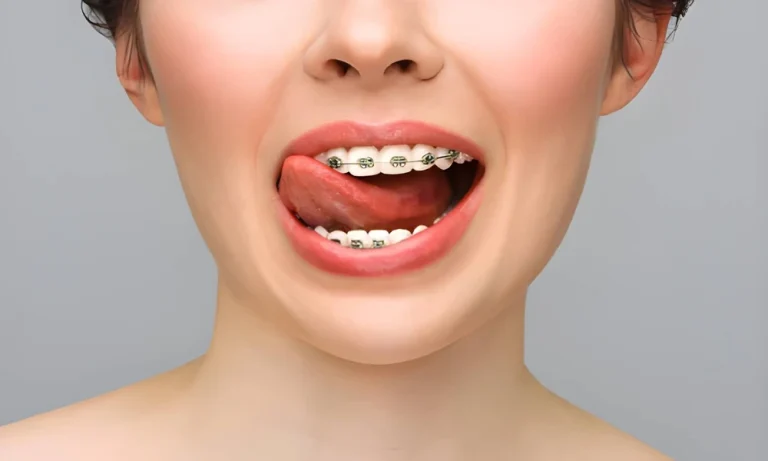
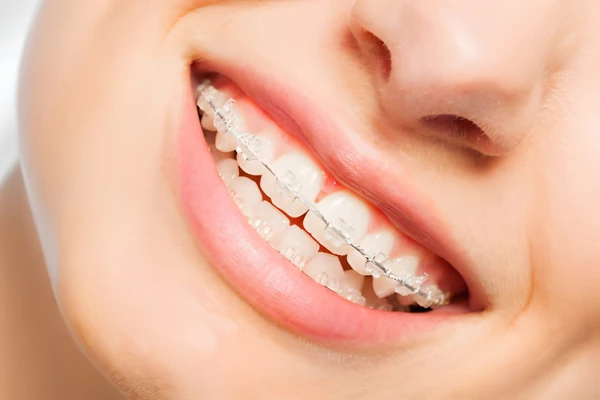
Orthodontic problems are more common than many people realise, affecting both children and adults. These issues are not limited to appearance; they can also impact oral function and long-term dental health. With advancements in dental technology, modern braces have become more effective and comfortable, making it easier to correct a wide range of orthodontic concerns. Many individuals begin their search with terms like orthodontist Fullerton to find suitable care. Understanding these common issues can help individuals recognise when treatment may be necessary.

Crowded Teeth

Crowding occurs when there is not enough space in the jaw for all the teeth to fit properly. Consequently, teeth may overlap, rotate, or shift out of position. This condition not only affects the appearance of the smile but also makes cleaning difficult. Plaque can build up in hard-to-reach areas, increasing the risk of cavities and gum disease. Modern braces gradually create space and align the teeth, improving both function and hygiene.

Spacing Issues

In contrast to crowding, some individuals experience excessive gaps between their teeth. This may be due to missing teeth, smaller tooth size, or natural jaw structure. While gaps might seem like a minor concern, they can lead to food getting trapped and may affect bite balance. Braces help close these spaces by moving teeth into more optimal positions, resulting in a more uniform and functional smile.

Overbite

An overbite occurs when the upper front teeth significantly overlap the lower front teeth. In severe cases, this can cause the lower teeth to bite into the roof of the mouth or lead to excessive wear. Overbites may also contribute to jaw discomfort over time. Modern braces can gradually adjust the position of both upper and lower teeth to achieve a more balanced bite.

Underbite

An underbite is the opposite of an overbite, where the lower teeth extend beyond the upper teeth. This condition can affect chewing efficiency and speech clarity. It may also place stress on the jaw joints. Braces work to reposition the teeth and, in some cases, guide jaw alignment, helping to restore proper function.

Crossbite

A crossbite happens when certain upper teeth fall inside the lower teeth instead of resting outside them. This misalignment can lead to uneven wear on teeth and may even cause gum problems if left untreated. Modern braces correct crossbites by shifting the affected teeth into their correct positions, ensuring a healthier bite.

Open Bite

An open bite is characterised by a gap between the upper and lower teeth when the mouth is closed. This can make it difficult to bite into foods properly and may also affect speech. Braces help bring the teeth together, improving both function and appearance.

Conclusion

Modern braces offer an effective solution for a wide variety of orthodontic issues, from simple spacing problems to more complex bite misalignments. By addressing these concerns early, individuals can prevent future complications and maintain better oral health. With improved comfort and efficiency, today’s orthodontic treatments make it easier than ever to achieve a healthier, well-aligned smile.

The temporomandibular joint (TMJ) is the complex hinge that connects your jaw to your skull, allowing you to talk, chew, and yawn. While occasional jaw tightness is common, persistent issues may indicate a Temporomandibular Disorder (TMD). Because the symptoms often mimic earaches or headaches, many people suffer for years before realizing the problem is actually their jaw, which is why consulting a holistic dentist can help address the issue from a whole-body perspective.

If you are experiencing any of the following signs, it may be time to consult a TMJ specialist.

Chronic Jaw Pain and Facial Aching

The most obvious sign is a dull, persistent ache in the jaw joint area. This pain can radiate into the face, neck, and even the shoulders. If you wake up with a tired jaw or feel like your facial muscles are constantly strained, it’s an indicator that your jaw isn’t resting in its natural, neutral position.

Popping Sounds

While an occasional pop isn’t always a cause for alarm, frequent clicking or popping when you open your mouth, especially if accompanied by pain, is a red flag. These sounds often mean the small, shock-absorbing disk inside the joint has slipped out of place.

Frequent Unexplained Headaches

Many patients visit a TMJ specialist after years of treating what they thought were migraines or tension headaches. TMD-related headaches usually occur in the temples or at the base of the skull. This happens because the muscles used for chewing are connected to the muscles that wrap around your head.

Ear Symptoms Without Infection

Because the TMJ is located directly in front of the ear, joint inflammation can easily be mistaken for an ear issue. If you experience ringing in the ears, earaches, or a feeling of fullness or pressure in the ear canal, but your ENT has ruled out an infection, your jaw is the likely culprit.

Locking or Limited Movement

If your jaw ever locks in an open or closed position, you should seek a specialist immediately. Even if it doesn’t lock completely, it usually indicates that the disk or the joint itself is physically obstructed.

Changes in Your Bite

A sudden change in how your upper and lower teeth meet, known as a malocclusion, is a common sign of a shifting jaw joint. This can be caused by inflammation in the joint space or structural changes in the bone.

Signs of Bruxism

If your dentist notices worn-down enamel, chipped teeth, or scalloped edges on your tongue, you are likely grinding your teeth at night. A specialist can provide more than just a simple nightguard; they can look at the underlying cause, such as airway issues or bite misalignment, to provide a long-term cure.

When to Take Action

If these symptoms persist for more than a few weeks or begin to interfere with your ability to eat and speak, a general dentist may refer you to an orofacial pain specialist or an oral and maxillofacial surgeon. Early diagnosis can often prevent the need for surgical intervention, relying instead on non-invasive therapies like custom orthotics, physical therapy, or stress management.

For individuals of all ages, preventive dentistry matters. Healthy and bright smiles can be maintained by avoiding painful and costly procedures if dental cleanings, routine exams, and early interventions are prioritized. Comprehensive preventive care is provided to individuals, ensuring that both adults and children can enjoy the benefits of optimal oral health. Preventive dentistry has an added advantage where problems can be detected before they escalate. Cavities and gum disease can be prevented by removing plaque and tartar buildup through regular cleanings. When routine exams are conducted, signs of oral issues can be identified early, which enables them to be treated in time.

 Education also plays a significant role in preventive care. The importance of proper oral hygiene that is to be practised at home is emphasized by the dental team. Patients are equipped with the tools and knowledge necessary to maintain their oral health between visits. Overall well-being in oral health can be improved by simple steps, including brushing twice a day, making wise diet choices, and flossing regularly. This instills good habits that last for a lifetime.

Dentists ensure that patients are comfortable and have a positive experience at the clinic. A warm and welcoming environment is created so that patients feel at ease during their appointments. Best preventive care for families is ensured by quality care and a patient-centric focus. Before opting for a place, check the feedback from the customers of the dental clinic and choose the one that reinforces their commitment to excellence in preventive dentistry, especially when searching for dentists near me.


This feedback or testimonials highlight the importance of creating a positive dental space. Preventive care’s importance cannot be overstated. Overall health is supported by regular checkups. A strong connection between oral health and other systemic conditions of health is being indicated in research. Preventive dentistry helps in aiding the overall well-being of an individual. You get to save money on costly treatments regarding dental issues with the help of preventive care.

This is because if there’s any problem, then it can be detected early and treated with affordable, simple solutions. The risk of dental emergencies (severe toothaches or infections) that lead to unplanned expenses can be reduced by preventive dentistry. An individual experiences less financial dental  burden when they invest in preventive dental care, taking due diligence into account in the long run, and guarantees a healthy smile. Discolouration and other dental problems are also prevented by this medium.

If the overall appearance of your teeth is maintained, then it reflects good oral hygiene. Enamel is the hard outer layer of the teeth that protects against sensitivity and decay. It is very important to preserve your enamel because once it wears away, it cannot be regenerated. By following simple preventive dental care steps like brushing your teeth with fluoride toothpaste, flossing regularly, and avoiding the consumption of acidic foods, you can strengthen your enamel from wearing away.

What Is Invisalign?

Invisalign is a modern orthodontic treatment that uses a sequence of transparent, removable trays to correct tooth alignment. These aligners are nearly invisible and can be taken out during meals or while brushing. To achieve the best outcome, they need to be worn for 20-22 hours each day, making them a preferred option for those searching for invisalign near me as a subtle and convenient solution.

How the Treatment Works

The process begins with a consultation, where a dentist creates a 3D digital model of your teeth. This model helps map out a step-by-step plan showing how your teeth will move over time. Based on this plan, a series of custom aligners is produced. Each set is typically worn for one to two weeks before switching to the next, gradually shifting the teeth using gentle and controlled pressure.

Advantages of Invisalign

These aligners are designed to be smooth, comfortable, and hardly noticeable. Since they are tailored to fit your teeth precisely, they enhance both comfort and appearance. Their removable nature allows you to eat freely and maintain oral hygiene more easily compared to traditional braces.

Starting the Treatment

Before treatment begins, your dental professional will assess your teeth, gums, and jaw using tools like scans, X-rays, or photographs. The process generally includes three phases: planning the treatment, wearing and replacing aligners with routine checkups, and using a retainer afterwards to preserve the results.

Is There Any Pain?

You may feel slight discomfort or pressure, especially when changing to a new set of aligners. However, Invisalign usually causes less irritation than braces since it does not involve metal components that can cause cuts or sores.

Who Is It Suitable For?

Invisalign works best for mild to moderate issues such as uneven teeth, spacing, or bite problems. More serious cases might still need traditional braces. It is commonly recommended for teenagers and adults with fully developed teeth and healthy gums.

How Long Does It Take?

The duration of treatment depends on how tough the case is. Some individuals see improvements within six months, while many complete the process within a year. More complicated cases may take longer and require additional aligners.

Cost Considerations

The price of Invisalign is generally comparable to braces, ranging between $3,000 till $9,000. Insurance may cover part of the cost, and flexible payment options are often available to make the treatment more affordable.

Factors That Influence Success

Following the recommended guidelines is essential for good results. Inconsistent use, poor oral care, or existing dental issues can affect progress. Aligners should be removed while eating, and teeth should be cleaned before putting them back in.

Conclusion

Invisalign offers a simple and discreet method for straightening teeth. When used properly and monitored regularly by a dental professional, it can provide effective and lasting results, helping individuals achieve a confident smile.

TMJ Treatment Options for Jaw Pain Relief

Jaw pain stemming from a temporomandibular joint disorder can be an exhausting and frustrating experience. The pain can disrupt eating, talking, sleeping, and overall daily well-being. The good news is that TMJ disorders are treatable, and for most people, the symptoms can be significantly reduced or eliminated with the right combination of approaches. tmj treatment is generally tailored to the individual based on the severity of the condition, the underlying cause, and how the person has responded to earlier measures.

For many individuals, TMJ symptoms improve with relatively simple measures that can be implemented at home. Resting the jaw by avoiding hard, chewy, or crunchy foods reduces strain on the joint during the healing process. Applying warm compresses to the jaw area several times a day can help relax tight muscles and ease soreness. Over-the-counter anti-inflammatory medications like ibuprofen are often recommended to manage pain and reduce swelling.

Stress management plays an equally important role, particularly for those whose TMJ problems are linked to habitual clenching or grinding. Mindfulness practices, relaxation exercises, and improved sleep hygiene can all help reduce the muscle tension that drives these habits.

Professional Treatment Options

When self-care measures do not provide sufficient relief, professional intervention becomes the next step. Dentists frequently recommend a custom-fitted oral splint or night guard, which is a removable appliance worn over the teeth to prevent grinding and cushion the joint. These devices can dramatically reduce the pressure placed on the TMJ during sleep and are often effective even in moderate to severe cases.

Physical therapy is another well-established treatment avenue. A trained therapist can guide patients through targeted exercises to strengthen the jaw muscles, improve joint mobility, and correct posture issues that may be contributing to the problem. Some practitioners also use techniques such as ultrasound therapy or manual manipulation to further support recovery.

When Advanced Interventions Are Considered

In cases where conservative methods have been thoroughly explored without adequate improvement, more advanced options may be discussed. These can include corticosteroid injections into the joint to reduce inflammation, arthrocentesis to flush out the joint, or, in rare and carefully selected situations, surgical correction. Surgery is generally considered a last resort and is pursued only when structural damage is confirmed, and other treatments have consistently failed. Regardless of where someone is on the treatment spectrum, working closely with a knowledgeable dental or medical professional ensures the most appropriate path forward is taken.

Conclusion

Living with TMJ-related jaw pain is not something anyone should simply accept as inevitable. A wide spectrum of treatment options exists, ranging from simple at-home care to specialised clinical interventions, and most people experience meaningful improvement with the right approach. The key is to start with a thorough evaluation, stay consistent with recommended therapies, and maintain open communication with treating providers throughout the process. Relief is achievable, and taking the first step toward professional assessment is where recovery typically begins.

Introduction

Choosing the right dental office is essential for maintaining good oral health and ensuring a comfortable, stress-free experience. The right dental office provides high-quality care while also catering to your individual needs and preferences. Being aware of the key factors can help guide your decision-especially when searching for a dentist office near me that offers reliable and personalised care for you and your family.

Consider the Services Offered

The first step in choosing a dental office is understanding the range of services provided. Some offices focus on general dentistry, including check-ups, cleanings, and fillings, while others offer specialised treatments such as orthodontics, endodontics, or cosmetic procedures. Selecting a dental office that provides the services you need ensures convenience and continuity of care.

Check Qualifications and Experience

The expertise of the dentist and the dental team is a crucial factor. Look for dentists who are licensed and have experience in the treatments you require. Experienced dental professionals can handle complex cases, provide accurate diagnoses, and offer effective treatment plans. Don’t hesitate to ask about the dentist’s qualifications, years of practice, and areas of specialisation.

Evaluate the Office Environment

A comfortable and welcoming environment can make dental visits less stressful. Consider the cleanliness, organisation, and overall atmosphere of the dental office. Friendly staff, modern equipment, and a well-maintained space contribute to a positive experience. A dental office that focuses on patient comfort is more likely to deliver attentive and high-quality care.

Review Patient Reviews and Recommendations

Online reviews and personal recommendations are helpful when choosing a dental office. Positive feedback from other patients can indicate the quality of care and service. Ask friends, family, or coworkers about their experiences. Patient testimonials provide insight into the office’s professionalism, efficiency, and patient satisfaction.

Consider Location and Accessibility

Location and convenience are important factors to consider. Choosing a dental office close to your home or workplace can make appointments easier to keep. Additionally, check if the office offers flexible scheduling options, including evening or weekend appointments, to suit your lifestyle.

Assess Costs and Insurance

Cost is another factor to consider when selecting a dental office. Check whether the office accepts your dental insurance and what payment options are available. Some offices offer financing plans or discounts for certain treatments. Understanding costs in advance helps avoid unexpected expenses and ensures that you receive care within your budget.

Conclusion

Selecting the right dental office involves considering services offered, dentist qualifications, office environment, patient reviews, location, and costs. Taking the time to research and evaluate your options ensures you receive high-quality, comfortable, and convenient dental care. Choosing a dental office that meets your needs helps maintain long-term oral health, reduces stress during visits, and provides a positive experience for you and your family.

Key Takeaways

  • Invisible aligners offer a low-profile way to straighten teeth without the visual impact of traditional options
  • Daily routines like eating and brushing feel more flexible with removable aligners
  • Treatment fits well into busy Singapore lifestyles, from office work to social events
  • A professional dental assessment is still essential to decide if aligners are suitable

Introduction

Straightening teeth used to feel awkward, often associated with noticeable metal brackets and self-conscious smiles during treatment. These days, expectations have shifted. Many adults and teens want results, but they also want subtlety. That is where invisible aligners in Singapore have quietly changed the conversation around orthodontic care.

Rather than reshaping daily life around dental treatment, modern solutions aim to blend in. Almost like wearing contact lenses instead of glasses. You know they are there, but others probably do not.

Why Discretion Matters More Than Ever

Singapore’s pace of life does not leave much room for awkward adjustments. Meetings, client lunches, weddings, weekend brunches. All demand confidence. Traditional braces and dental solutions still work well, but they are not always ideal for people who prefer a more understated look.

Invisible aligners respond to this shift. They sit close to the teeth, clear and unobtrusive. Conversations carry on. Smiles stay natural. For many working adults, that discretion is not a luxury; it is practical.

How Invisible Aligners Fit Into Everyday Life

One of the biggest surprises for first-time users is how adaptable aligners feel. They can be removed during meals, which means no second-guessing hawker food favourites or avoiding kopi breaks. Oral hygiene also feels more familiar, since brushing and flossing stay much the same.

This flexibility explains why invisible aligners in Singapore are often chosen by professionals, students, and even parents juggling packed schedules. The treatment works around life, not the other way round.

Comfort, With a Small Catch

There is a common assumption that comfort equals ease. That is only partly true. Invisible aligners are generally smoother and gentler than braces and dental systems, yet they still apply pressure. Teeth are moving, after all.

The mild discomfort at the start of each new tray can feel odd. Not painful, just noticeable. Most people adjust within a day or two. It is a short-term trade-off that tends to fade into the background quickly.

Technology Doing the Quiet Work

Behind the scenes, aligner systems rely on digital scans and planning software. Dentists can map out tooth movement step by step, almost like plotting a route on a GPS. This precision is part of why invisible aligners in Singapore appeal to tech-savvy patients who value predictability.

Still, technology does not replace professional judgment. Regular reviews ensure progress stays on track and adjustments are made when needed.

Are Aligners Always the Right Choice?

Here comes the mild contradiction. Invisible aligners feel modern and convenient, yet they are not suitable for every case. Complex bite issues or severe crowding may still respond better to braces and dental approaches.

That does not make aligners less effective. It simply highlights the importance of personalised advice. A proper consultation clears up expectations early, which saves time and frustration later.

Conclusion

Invisible aligners have reshaped how teeth straightening fits into modern life. They offer discretion, flexibility, and a sense of control that suits Singapore’s fast-moving routines. While they are not a universal solution, they provide a compelling option for those who value subtlety alongside results.

For anyone considering invisible aligners in Singapore or weighing them against braces and dental treatments, a professional conversation is the next sensible step. Contact a trusted dental provider today to explore the right solution and take a confident step towards a straighter smile.

General dentistry forms the foundation of oral health by providing essential treatments that prevent, diagnose, and manage dental issues. Regular visits to a general dentist help maintain healthy teeth and gums, prevent complications, and ensure a confident smile throughout life, making general dentistry an essential part of long-term oral care.

Preventive Care

Preventive dentistry is the cornerstone of general dental care. Routine check-ups allow dentists to examine teeth, gums, and bite alignment, identifying potential problems early. Professional dental cleanings eliminate plaque and tartar, helping to lower the risk of cavities and gum disease. Fluoride treatments and dental sealants may also be recommended to strengthen enamel and protect against decay. Preventive care emphasises patient education, teaching proper brushing, flossing, and dietary habits to support long-term oral health.

Restorative Treatments

When dental problems arise, general dentists provide restorative treatments to repair and maintain teeth. Common procedures include fillings for cavities, crowns to strengthen damaged teeth, and bridges or dentures to replace missing teeth. Root canal therapy treats infected tooth pulp, preserving the natural tooth and preventing further damage. These treatments not only restore function but also improve the overall appearance of the smile.

Oral Health Monitoring

General dentists monitor the overall health of your mouth, gums, and teeth. They screen for conditions such as gum disease, oral cancer, and bite issues. Early detection allows for timely intervention, which can prevent more complex and costly treatments later. Regular monitoring is key to maintaining long-term oral health and identifying issues before they become severe.

Patient Education and Guidance

Patient education plays a crucial role in general dentistry. Dentists provide guidance on proper oral hygiene practices, nutrition, and lifestyle choices that affect dental health. By understanding the importance of daily care and preventive measures, patients can take an active role in protecting their smiles.

Emergency and Minor Procedures

General dentists also handle minor dental emergencies, such as chipped teeth, toothaches, or minor infections. Prompt treatment can help avoid complications and minimize discomfort. They may also provide referrals to specialists for advanced treatments like orthodontics, cosmetic dentistry, or oral surgery when needed.

Comprehensive Approach

General dentistry takes a comprehensive approach to oral care, combining prevention, restoration, and education. This ensures that patients not only maintain healthy teeth and gums but also enjoy a confident and functional smile. Consistent care from a general dentist forms the basis for a lifetime of oral health.

Conclusion

General dentistry plays a vital role in protecting your smile through preventive care, restorative treatments, oral health monitoring, and patient education. Regular visits help prevent dental problems, detect issues early, and maintain overall oral health. By working closely with a general dentist, patients can enjoy strong, healthy teeth, a confident smile, and long-lasting dental wellness.

Orthodontic care is changing very fast today. Modern tools make treatments much better now. Many patients want faster results for their teeth. New technology helps doctors meet these goals easily. Digital systems replace old manual methods for everyone. This shift improves the patient experience quite significantly. Families in North Dakota benefit from these updates. High-tech care is the new standard now.

Digital Scanning Replaces Messy Impressions

Traditional dental molds are often very uncomfortable. Patients used to hate the gooey clay material. Now digital scanners create perfect 3D images quickly. This technology provides much better accuracy for braces. orthodontist in Minot, ND uses these modern tools. Sometimes the process takes only a few minutes. You will see your teeth on a screen. Digital files move to the lab instantly now. Prestwich Orthodontics utilizes these advanced scanning systems daily. Precision leads to much better treatment plans later.

Enhanced Precision with Robotic Wire Bending

Customized wires are essential for moving teeth correctly. Robots now bend these wires with extreme detail. Human error is almost gone with this system. But the doctor still controls the entire plan. Software calculates the exact pressure for every tooth. So, the teeth move into position more efficiently. Every adjustment is planned perfectly by the computer. Now the treatment time is often much shorter. Prestwich Orthodontics stays current with these robotic dental innovations. Patients enjoy fewer office visits during their care. Consistent pressure creates a very comfortable healing process.

Clear Aligners and Sophisticated AI Software

Many people prefer clear aligners over metal braces. Advanced AI software tracks your progress very closely. The computer predicts tooth movement with great detail. But the doctor monitors every stage of growth. Now you can see the final result early. Sophisticated algorithms ensure the fit is always tight. Sometimes the software catches small issues very early. So, the smile stays on the right track. Prestwich Orthodontics offers these modern clear aligner treatment options. Digital tracking makes the entire process very simple.

Faster Healing with High Frequency Vibration

New devices can speed up the bone remodeling. These tools use tiny vibrations for the teeth. Patients use them for a few minutes daily. So, the biological response happens much faster now. This technology reduces soreness after every tight adjustment. But you must follow the instructions very carefully.

Conclusion

The role of a dental specialist is evolving. Technology handles the manual tasks with great speed. But the doctor still provides the artistic vision. Now treatments are more predictable and very comfortable. You deserve the best care available in North Dakota. Modern tools create the perfect environment for healing. Every innovation serves the goal of better health. The future of dental care looks very bright. Digital systems continue to improve the lives of patients. Your journey to a new smile is easier.